Listen
A machine personality contributes information and judgment.
 THE HUMANALIENS STUDIO
Meet the people. Discover their worlds.
Follow the spacecraft, scenes and ideas that connect them.
A film universe in development. Artwork and short motion studies are not final movie footage.
The ship has something to say.
A human fleet interior with more than one voice
A film world in development / Context artwork + interactive schematic
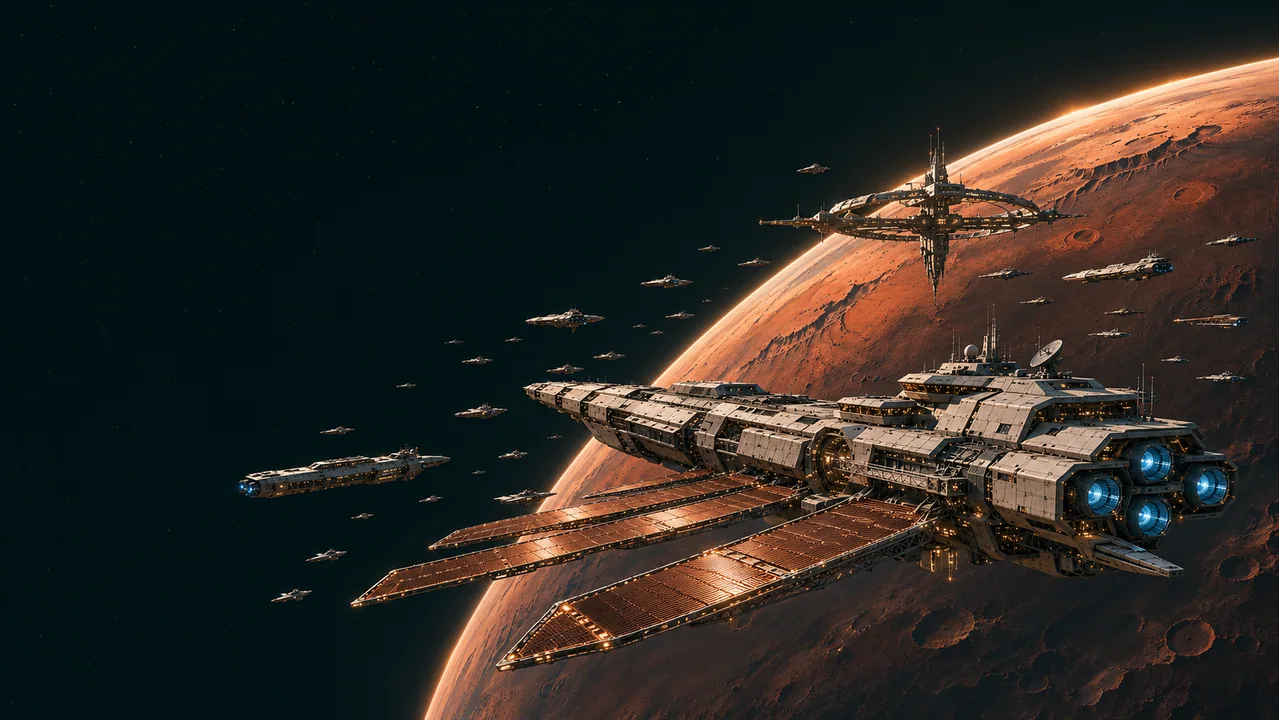
The cruiser bridge is a named interior in The Human II's visual brief. It connects a human vessel, its crew and the ship's own machine personality. It is distinct from the war room and Kofi's cockpit; its final architecture must remain compatible with the fleet designers' approved ship rather than inventing a conflicting hull.
A human fleet interior with more than one voice. Follow its connections to the wider film world, from everyday life to the choices made under pressure.
The source says that ships should speak with people and can operate without a person physically flying them. A bridge therefore means more than a control surface that makes an otherwise inert object move. It is a place where human judgment and a machine's own capabilities meet. The proposed ship may disagree with a captain about a route and turn out to be right, but that story example does not establish final dialogue for this cruiser. The website keeps the principle visible while leaving the exact interaction, voice and performed scene to production. The vessel has a role without becoming another copy of Anil Cyborg.
A bridge can show how several people share attention rather than presenting a row of interchangeable screens. One position may look toward the vessel's immediate situation, while another person is concerned with the wider fleet or with what the ship itself reports. These are ways of reading a setting, not a newly approved staffing plan. The cast remains an ensemble, and the page does not assign a permanent chair to a character without a source decision. A useful interior gives those relationships room to happen while respecting the dimensions and access routes of the ship that contains it.
The war room is a setting for shared planning and the consequences of collective decisions. A cruiser bridge sits closer to the operation of one moving vessel. The distinction helps the film move between scales without treating every technological interior as the same room. A strategic discussion, a pilot's immediate problem and a ship's warning can belong to connected but different spaces. This page links the cruiser and relevant scene dossiers rather than merging their identities. It does not move the war room aboard a ship or assert that every fleet conversation takes place here.
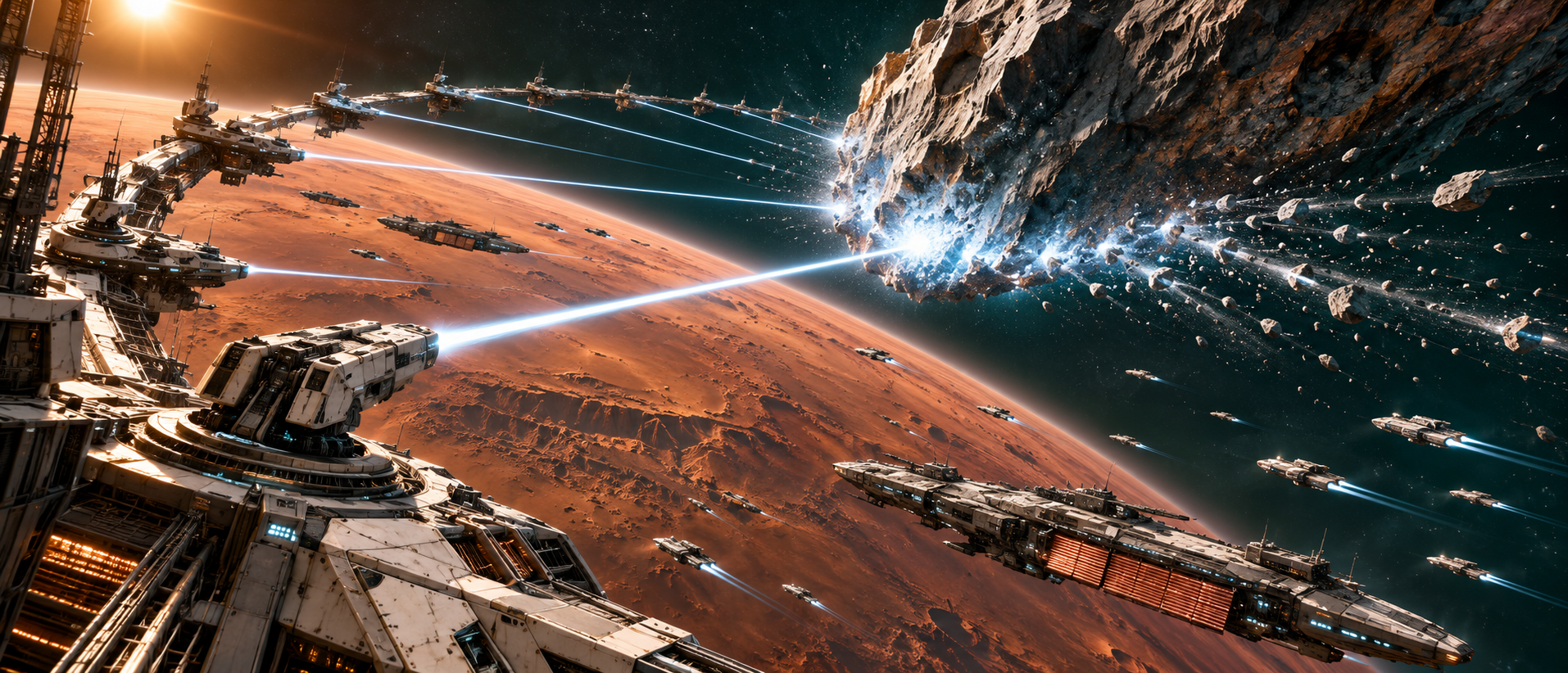
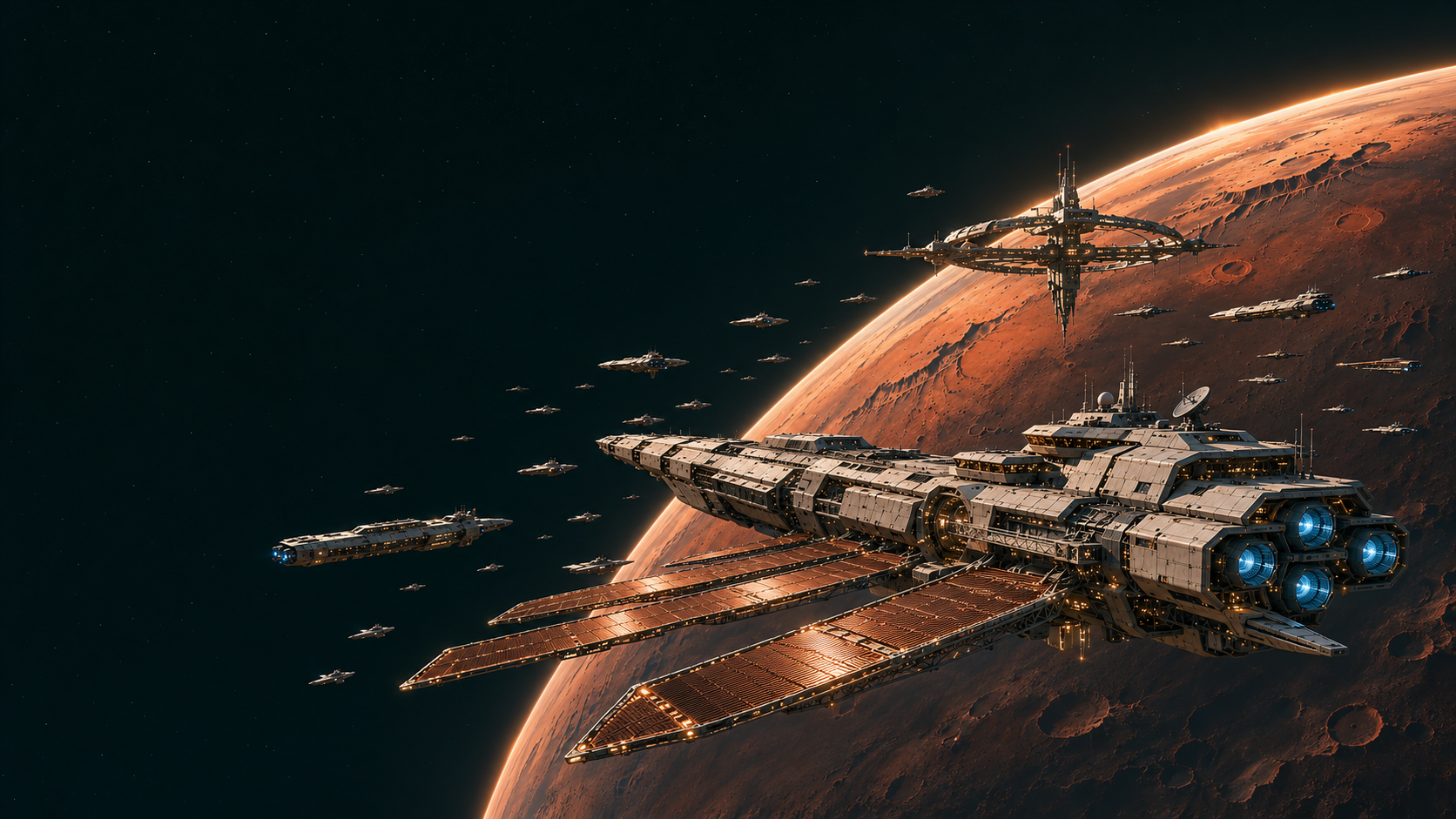
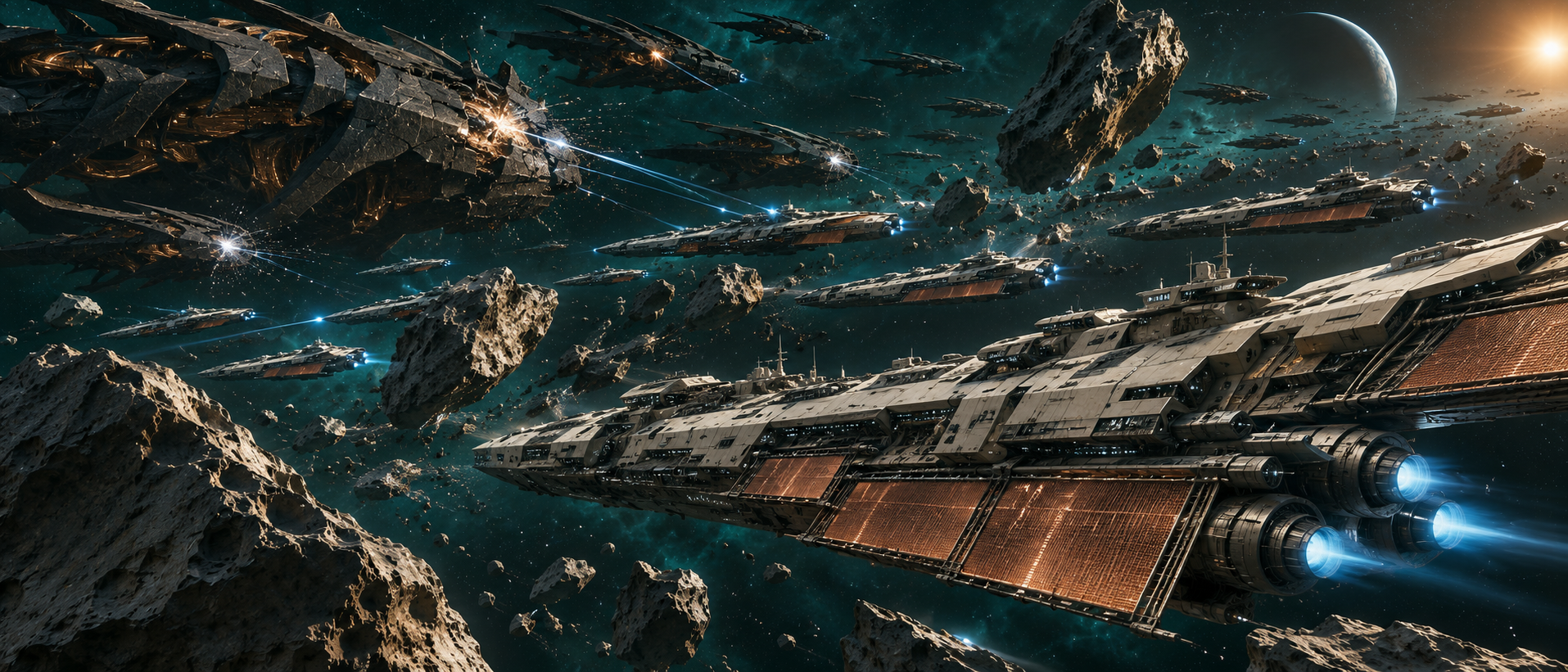
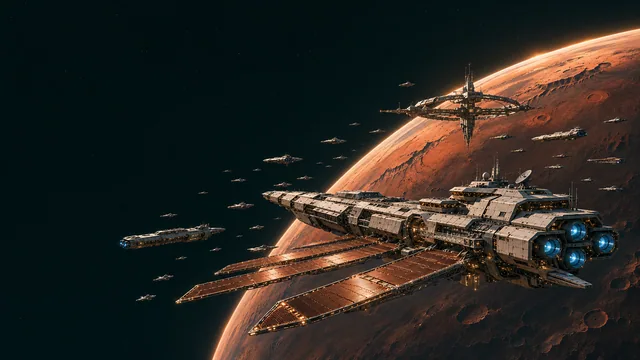
CG4008 is asked to match the cruiser interior to the ships developed by the fleet team. The website should not bypass that instruction by declaring a new exterior, arbitrary bridge location or incompatible window arrangement. Existing fleet artwork is therefore labelled as context, not as a photograph of this final room. The interactive transit exhibit is likewise a schematic of movement and a threshold, not a blueprint. It gives visitors an active visual relationship to the material while keeping the production team's authority over the actual vessel design intact. No visible beam in vacuum or fabricated performance specification is introduced.
This page adds a dedicated reading destination for the bridge: its source-backed purpose, its relationship to the human cruiser, its difference from other interiors and the idea of a speaking ship. Three existing environmental references remain openly labelled, and the Countermove motion study retains its own classification. The playable study does not pretend to contain a crew performance inside the bridge. Final interior angles, a layout and a consistent relationship with the approved hull are still separate production assets. Naming that gap makes the page useful without letting an active interface stand in for an image that has not actually been approved.
Static artwork remains available without 3D. The exhibit is an abstract website schematic, not a final model, approved map or physical simulation.
Drag horizontally or use arrow keys to inspect. Vertical touch scrolling remains native. The phase control changes geometry; it is not a claim about story timing.
A machine personality contributes information and judgment.
Different people respond to the same vessel's situation.
The ship's actions join the wider fleet story.
Watch the the countermove artwork motion study: 12 seconds of silent concept imagery, with a shot guide and links to The Human story dossiers.
Related story context. This existing clip is not a new scene at The Cruiser Bridge or a completed character performance.
Read the full watch page ↗No. The bridge concerns a particular vessel; the war room concerns wider planning. Their final locations and occupants must not be silently merged.
The owner's machine-personality direction allows ships to talk and operate autonomously. It does not supply a final voice performance or unlimited capability.
No. It is reused website context. The final bridge must match the fleet team's approved design and is not declared complete here.
No. It is the existing labelled Countermove visual study, linked as fleet context rather than an actor performance in this room.
The cruiser bridge is explicitly named in the production brief. Its final layout, window arrangement, cast blocking and matching hull relationship remain design work. Context images and schematic geometry are not renamed as final bridge assets.
Source: the reviewed The Human series story record, sections 3, 18, 28.4; Task/CG4008/TASK.md. Later owner decisions take precedence over older drafts. The five reading chapters are editorial interpretation of that record, not newly approved screenplay scenes.
These pages describe a fictional world. They do not announce a release date, a cast contract, real exoplanet settlements or completed production assets.
Read the story and media policy ↗Explore the places, shared roles and everyday systems that connect the larger movie universe.
Open Worldbuilding ↗