Listen
Different worlds bring different risks to the same room.
 THE HUMANALIENS STUDIO
Meet the people. Discover their worlds.
Follow the spacecraft, scenes and ideas that connect them.
A film universe in development. Artwork and short motion studies are not final movie footage.
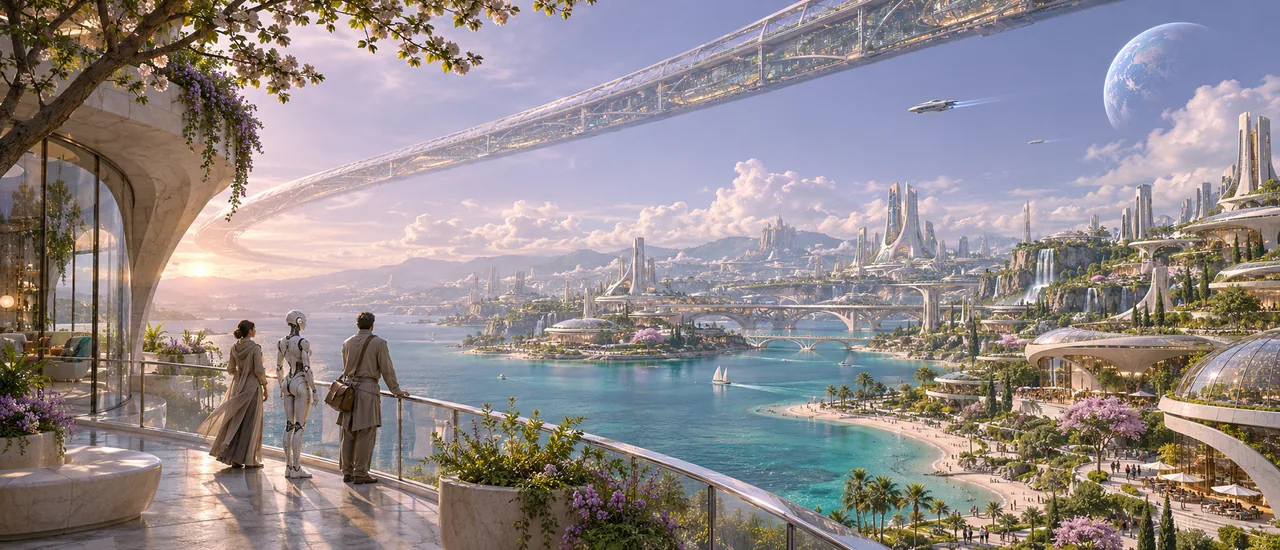
No head of the table. No world left outside it.
A proposed meeting place for humanity's worlds
A film world in development / Context artwork + interactive schematic
The Concord Chamber is the proposed round-table setting for representatives of humanity's worlds in The Human II. It expresses the story's commitment to shared responsibility without a dominant nation. The chamber is an editorial setting page, not a new government or a finalized architectural design.
A proposed meeting place for humanity's worlds. Follow its connections to the wider film world, from everyday life to the choices made under pressure.
A circle is an easy image of equality; the harder question is how different communities make a decision together. The Concord setting puts that question in a room. Each world has people, resources and responsibilities that cannot be reduced to a flag. The proposed table avoids one obvious center of command while leaving room for disagreement and judgment. Its meaning comes from the behavior around it. Architecture alone does not prove that humanity is peaceful or that every difficult decision has become simple.
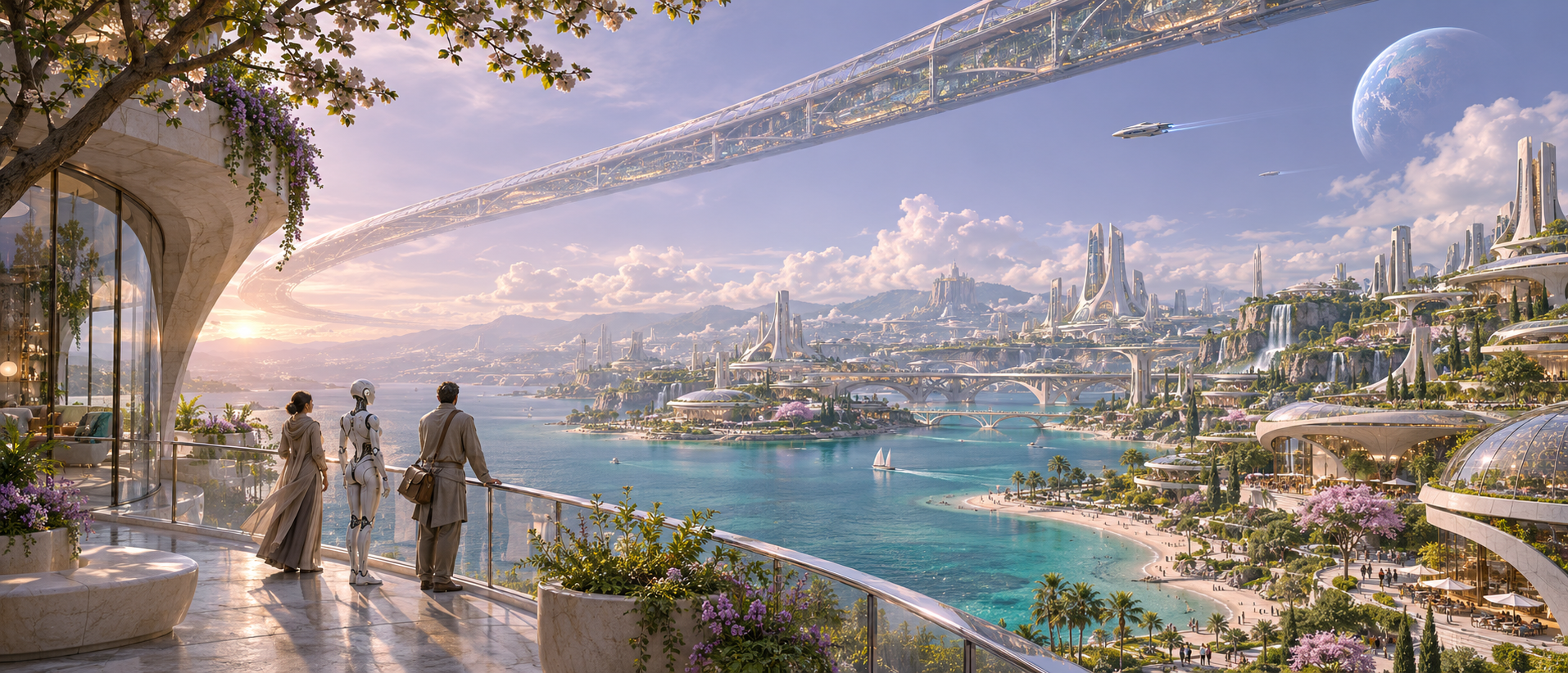
The working world count joins Earth and Mars with twenty-seven homes beyond the Solar System. These homes are not interchangeable planets with identical conditions. A habitat, an ocean settlement and a twilight world can experience the same emergency differently. The chamber connects those perspectives. Existing character dossiers for Amara, Aryan, Zara, Hiroshi, Leena and Elias give faces to some of the proposed leadership roles. Their names and precise offices remain development material where the source marks them as such.
The film's positive vision does not need its people to be careless. A civilization that has stopped competing destructively can still face hard questions about evacuation, defense and the use of newly learned power. The tension can come from consequences rather than national superiority. In this room, agreement should have a reason. The story's clearest ethical distinction arrives when the ability to destroy an adversary is separated from the decision to do so, making restraint a collective achievement rather than a slogan.
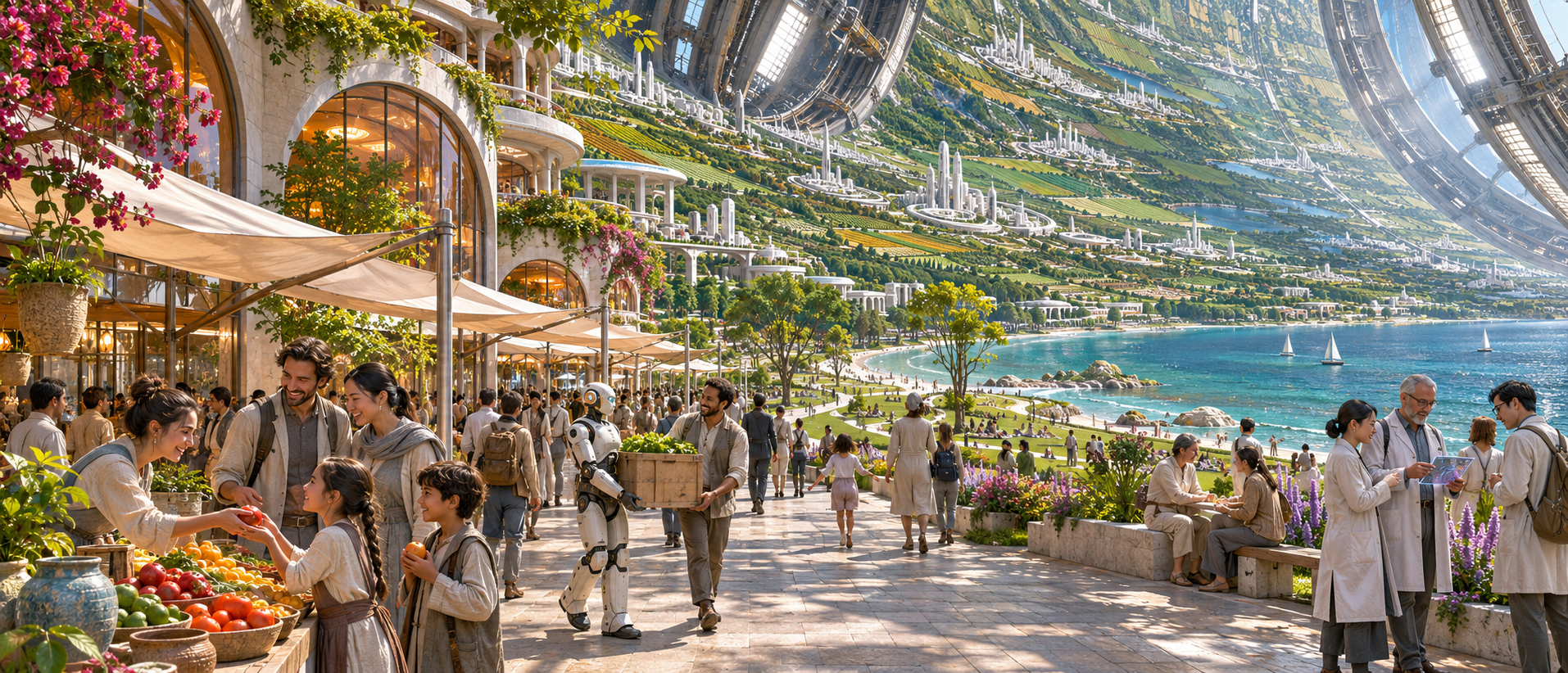
Nayak Incorporation, Aliens Inc and Cyborg Inc have important roles in the developing world. That does not make the Concord a corporate boardroom. The story source explicitly distinguishes the company from government. Anil Cyborg contributes as a builder and connector inside an ensemble, not as the owner of humanity's political voice. Keeping those roles separate lets technical invention support public responsibility. It also prevents the environment from turning into an advertisement whenever human ships, robots or infrastructure carry their maker's mark.
The interactive chamber exhibit arranges twenty-nine small positions around a shared center. Rotating the view reveals that no position is the permanent front of the composition. The moving marker is an interface focus cue, not a canon voting procedure or a rotating-presidency simulation. The model does not contain final character likenesses, seat assignments or a locked set design. Its purpose is to make the room's organizing idea understandable while the linked character and faction pages carry the actual narrative detail.
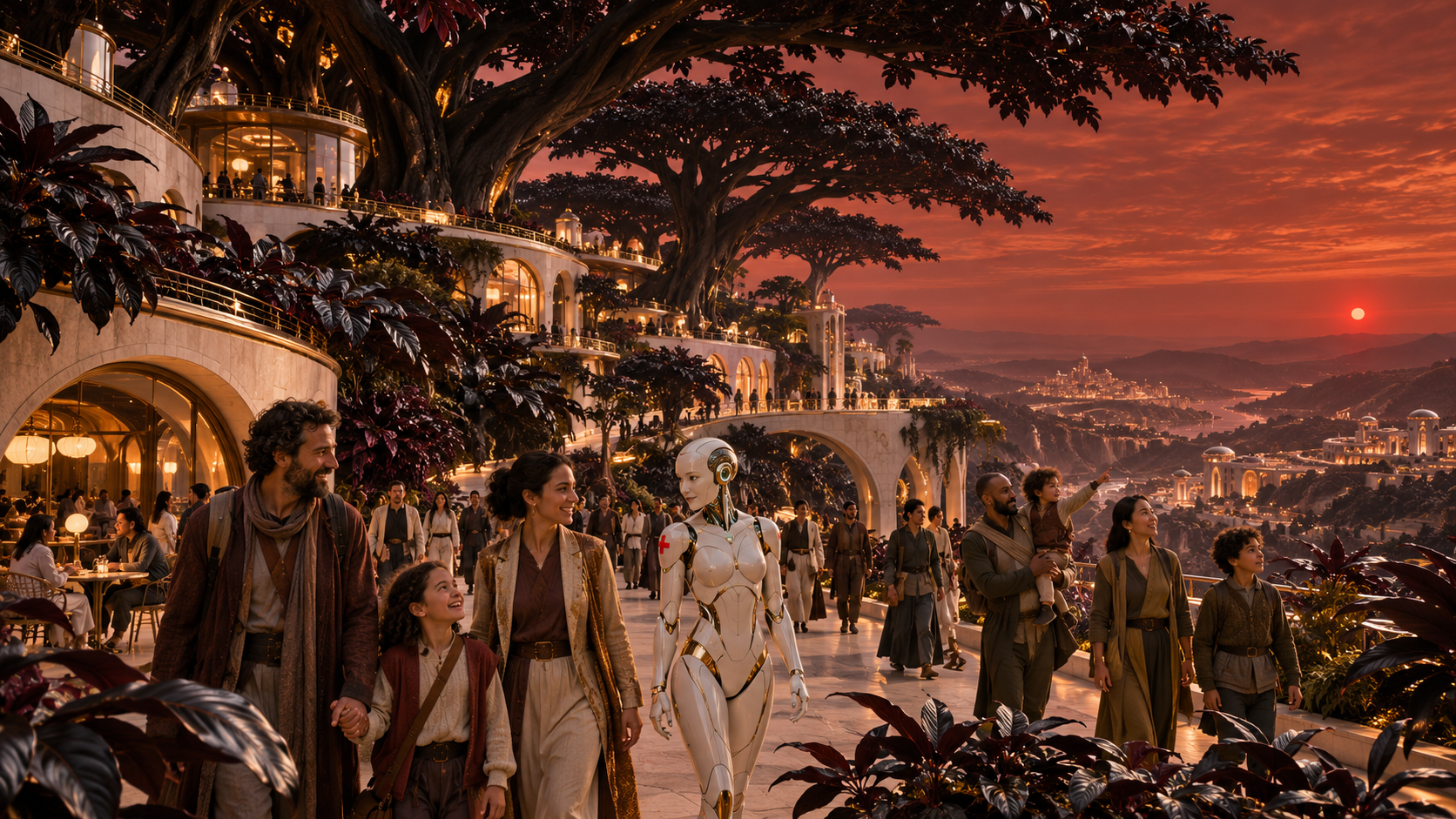
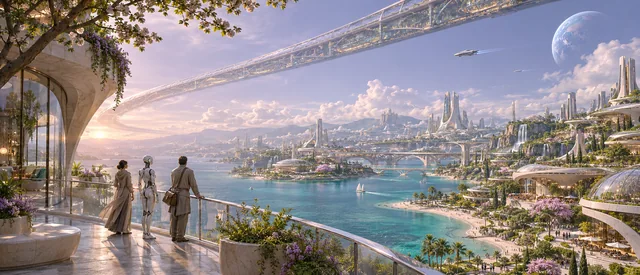
Static artwork remains available without 3D. The exhibit is an abstract website schematic, not a final model, approved map or physical simulation.
Drag horizontally or use arrow keys to inspect. Vertical touch scrolling remains native. The phase control changes geometry; it is not a claim about story timing.
Different worlds bring different risks to the same room.
Technical knowledge serves a shared decision.
Power is judged by what humanity refuses to destroy.
Watch the worlds in motion artwork motion study: 12 seconds of silent concept imagery, with a shot guide and links to The Human story dossiers.
Related story context. This existing clip is not a new scene at The Concord Chamber or a completed character performance.
Read the full watch page ↗No. The story separates the Concord's public role from the companies that build human technology. Cyborg Inc does not become the government because its machines are widely used.
No. The working representation count does not supply a complete named planetary catalogue. Unnamed worlds remain collections instead of invented biographies.
Not in this model. The positions illustrate equal participation and do not lock a seating chart, political procedure or final cast arrangement.
No. It is a proposed setting built from the source's round-table idea. The website geometry is a conceptual exhibit, not a production-approved set.
The Concord's round-table and representation details are identified as proposals in the story bible. This page explores them without presenting a finalized constitution, seat plan, new official cast list or production set.
Source: the reviewed The Human series story record, sections 3, 20, 28.5. Later owner decisions take precedence over older drafts. The five reading chapters are editorial interpretation of that record, not newly approved screenplay scenes.
These pages describe a fictional world. They do not announce a release date, a cast contract, real exoplanet settlements or completed production assets.
Read the story and media policy ↗Explore the places, shared roles and everyday systems that connect the larger movie universe.
Open Worldbuilding ↗