CARRIER / WEB CONCEPT
Human Carrier
Civilian transport / a community in motion
 THE HUMANALIENS STUDIO
Meet the people. Discover their worlds.
Follow the spacecraft, scenes and ideas that connect them.
A film universe in development. Artwork and short motion studies are not final movie footage.
Ten vessel roles. Nine distinct silhouette families. Turn the models, separate their visual components and explore the people and stories that give them a purpose.
New procedural web concepts—not final film designs. The last-departure ship intentionally shares the carrier family rather than inventing a tenth class.
Choose a vessel. Component separation is a display technique, not an actual flight operation.
Civilian transport / a community in motion
Interactive study loads near the viewport. All rendered views and source information remain available without 3D.
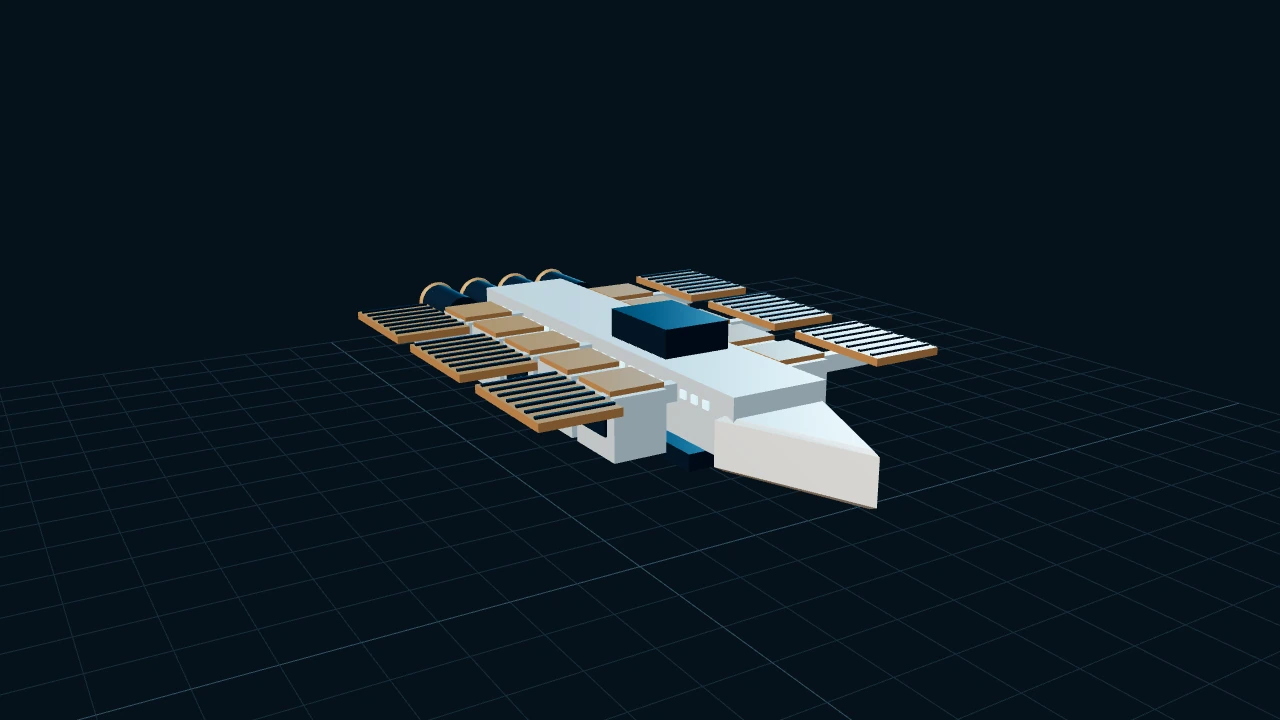
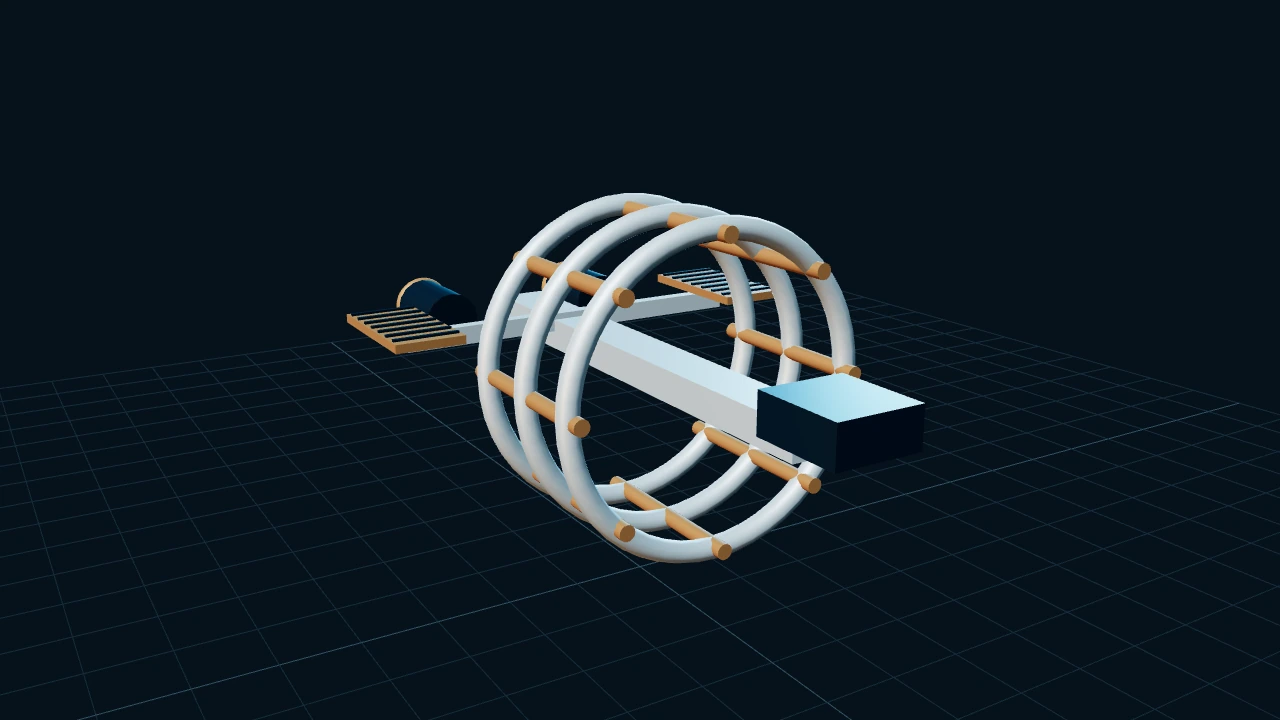
The pale central spine and forward bridge organize the human-scale spaces. The window pattern is an artistic scale cue, not a passenger-capacity calculation.
Three paired copper panel banks distinguish the carrier's silhouette. They communicate the film's thermal-design language without claiming a certified heat budget.
Four recessed drive forms give the stern a readable direction. Their light is a web effect, not measured engine performance.
Ten modular pod forms and the under-hull transfer space emphasize the carrier's civilian purpose. The final cabin layout and passenger count remain open.
Civilian transport / a community in motion
An evacuation role within the carrier family
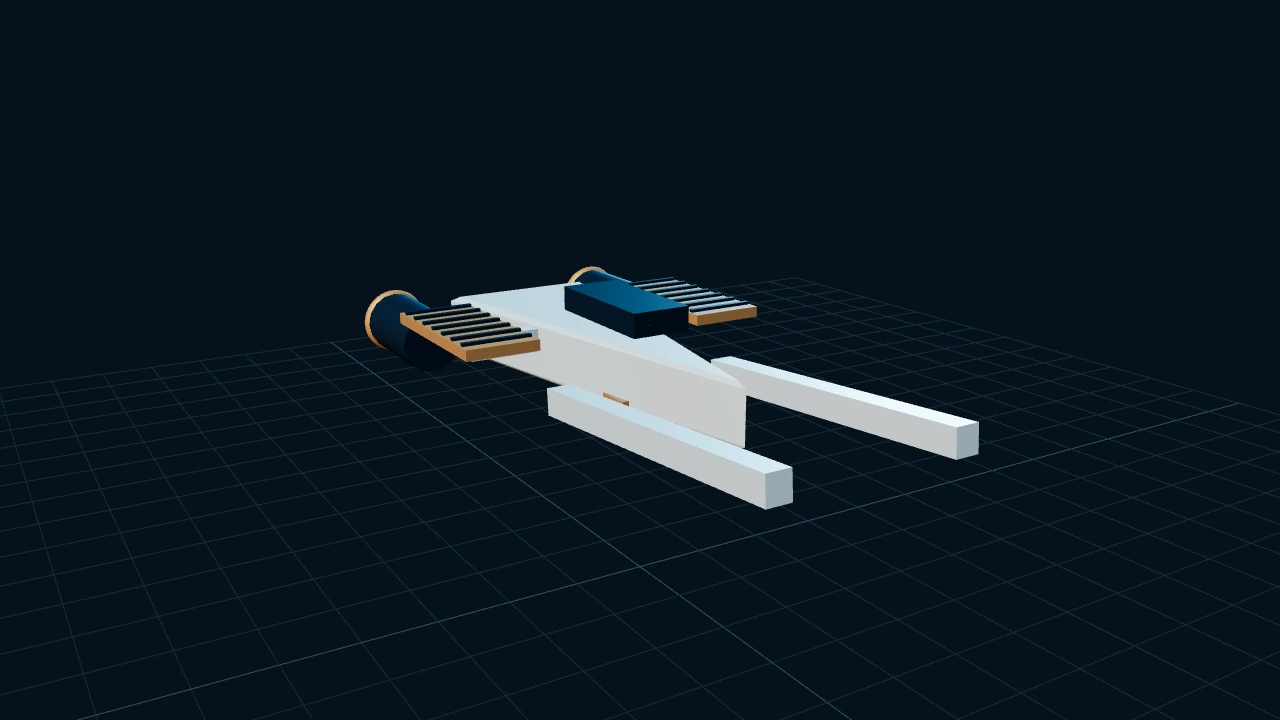
Compact escort / a narrow, protective task
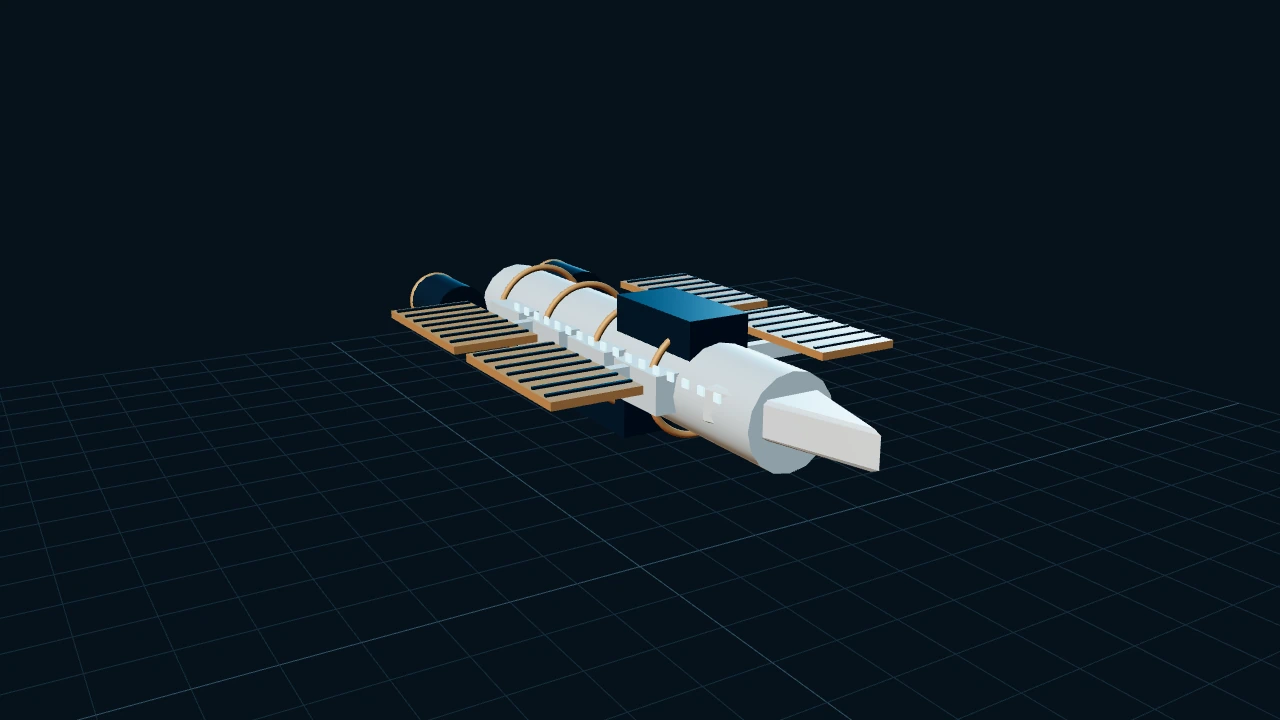
Long-range fleet presence / a plated spine
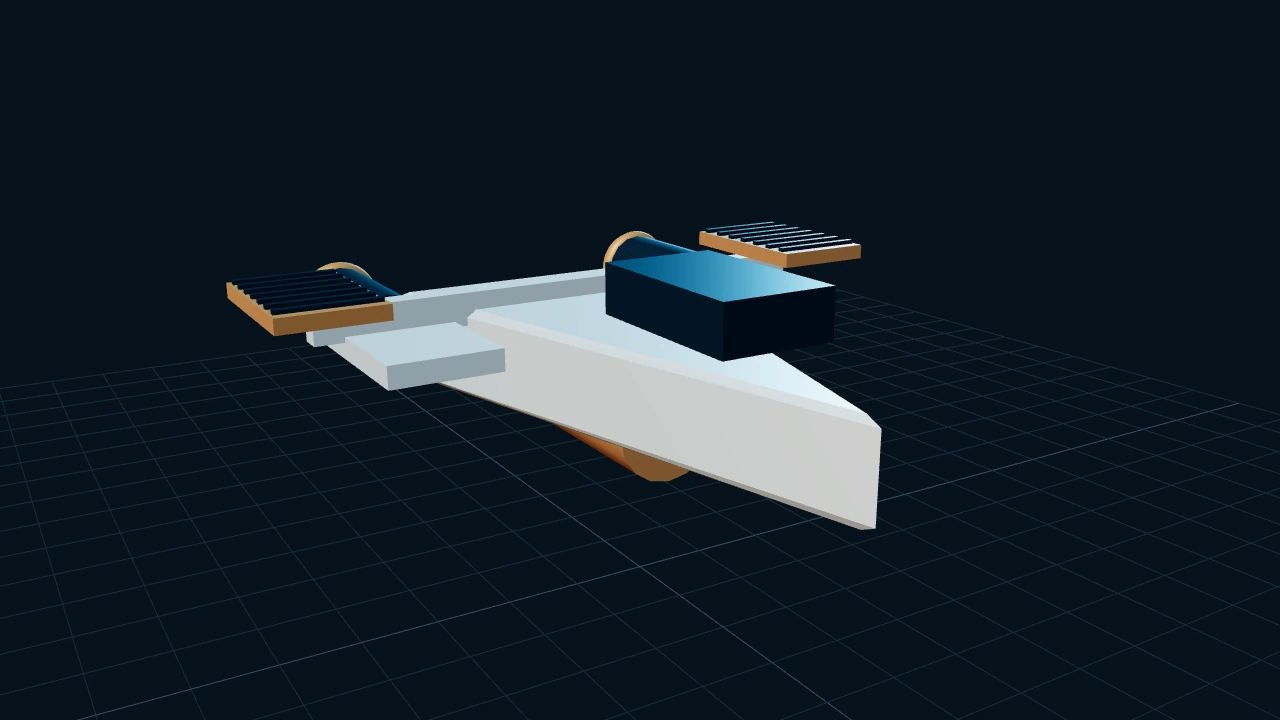
Small-craft movement / the life between larger ships
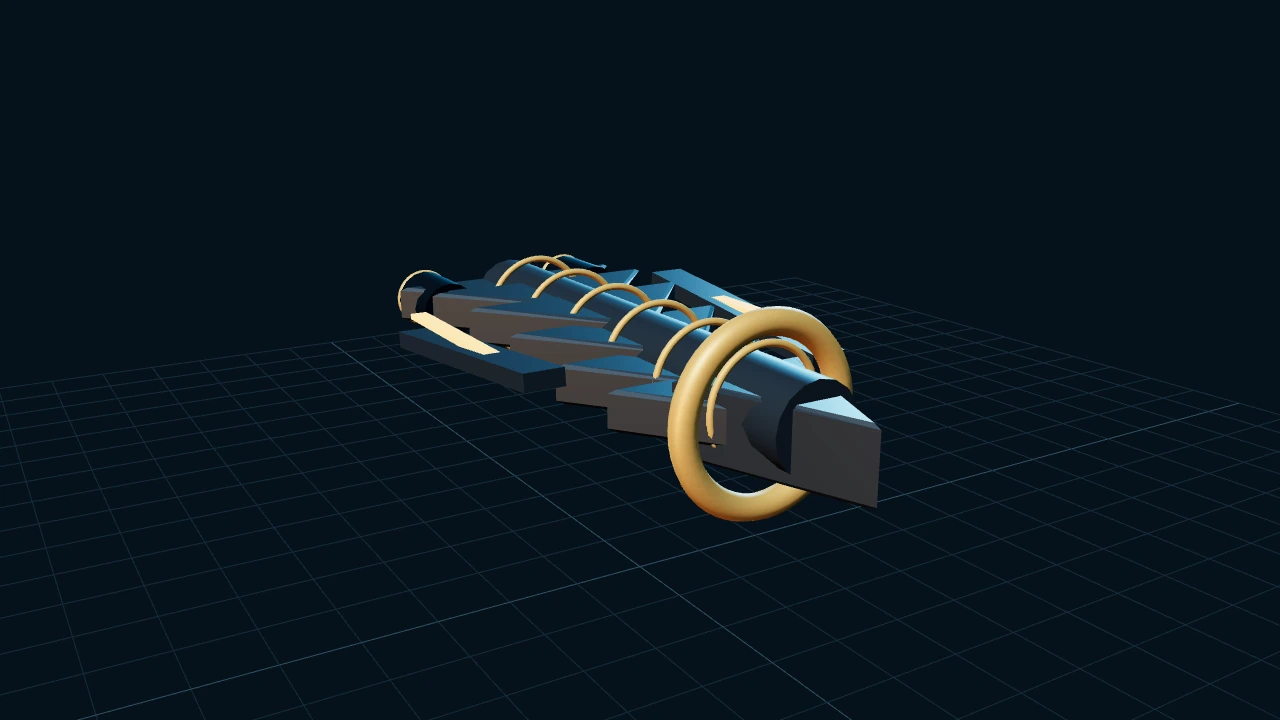
Ancient command presence / layered mineral geometry
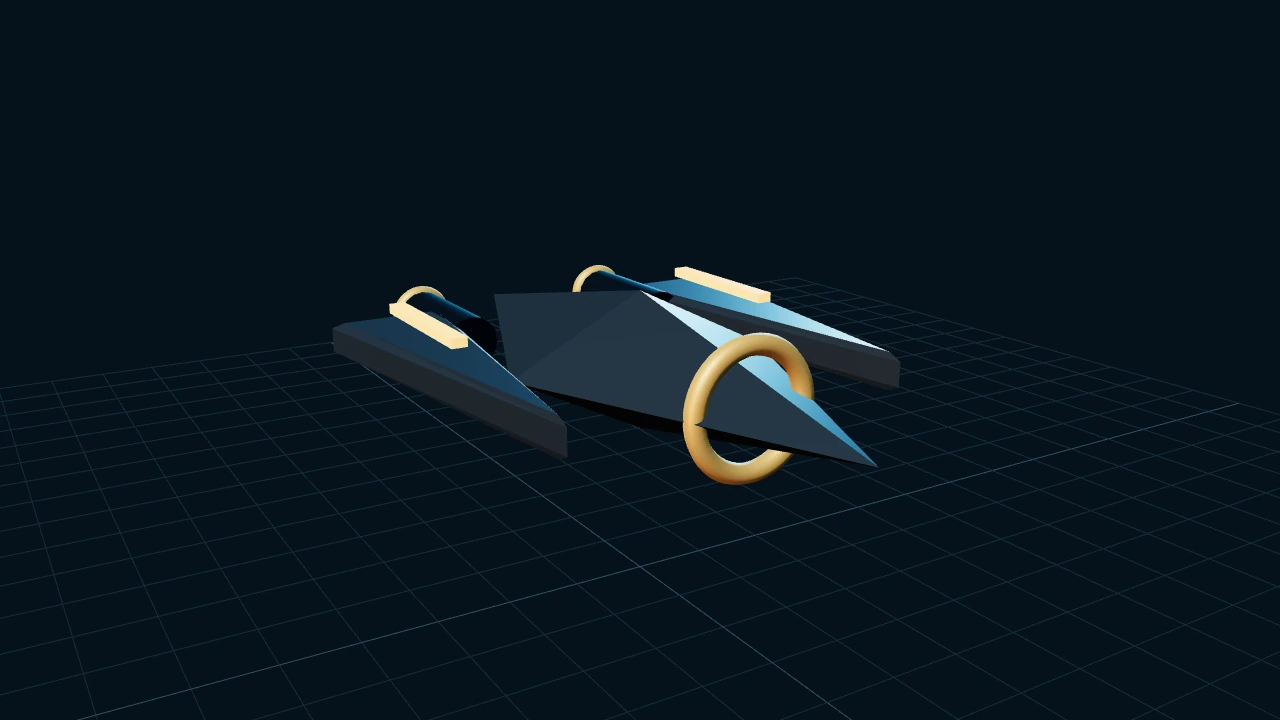
Small adversary craft / a faceted silhouette
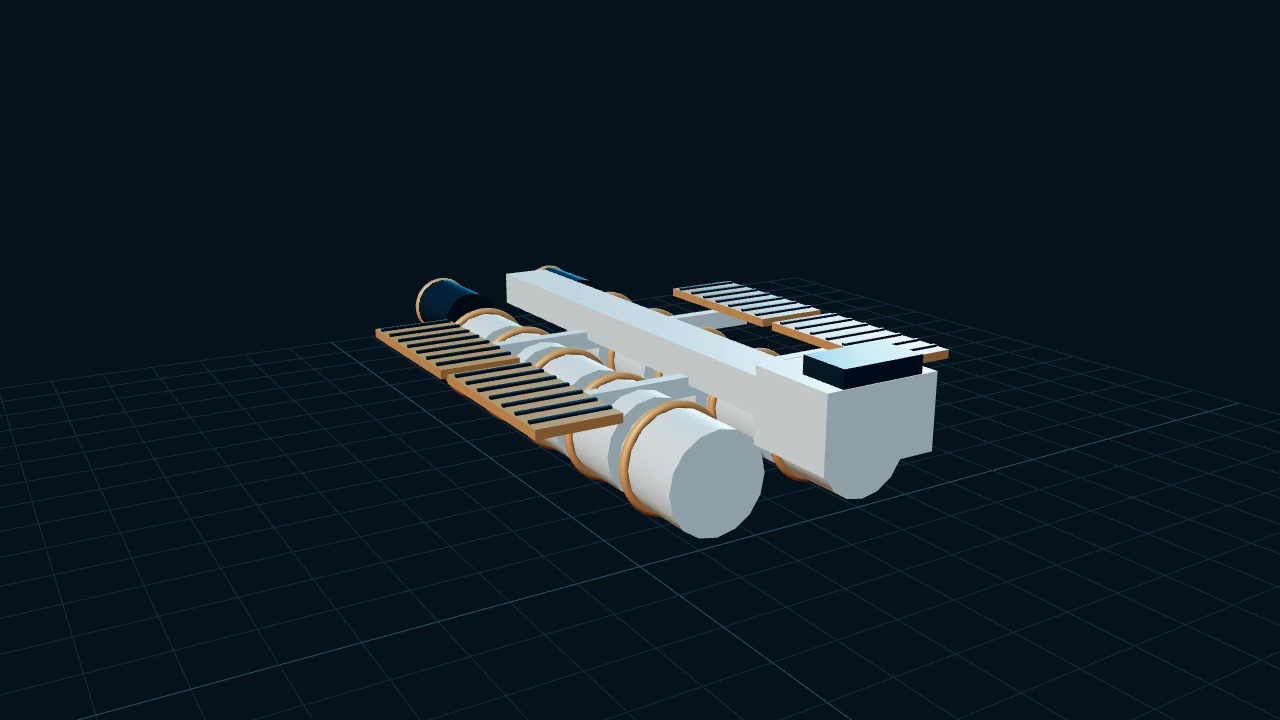
Logistics / the return journey matters
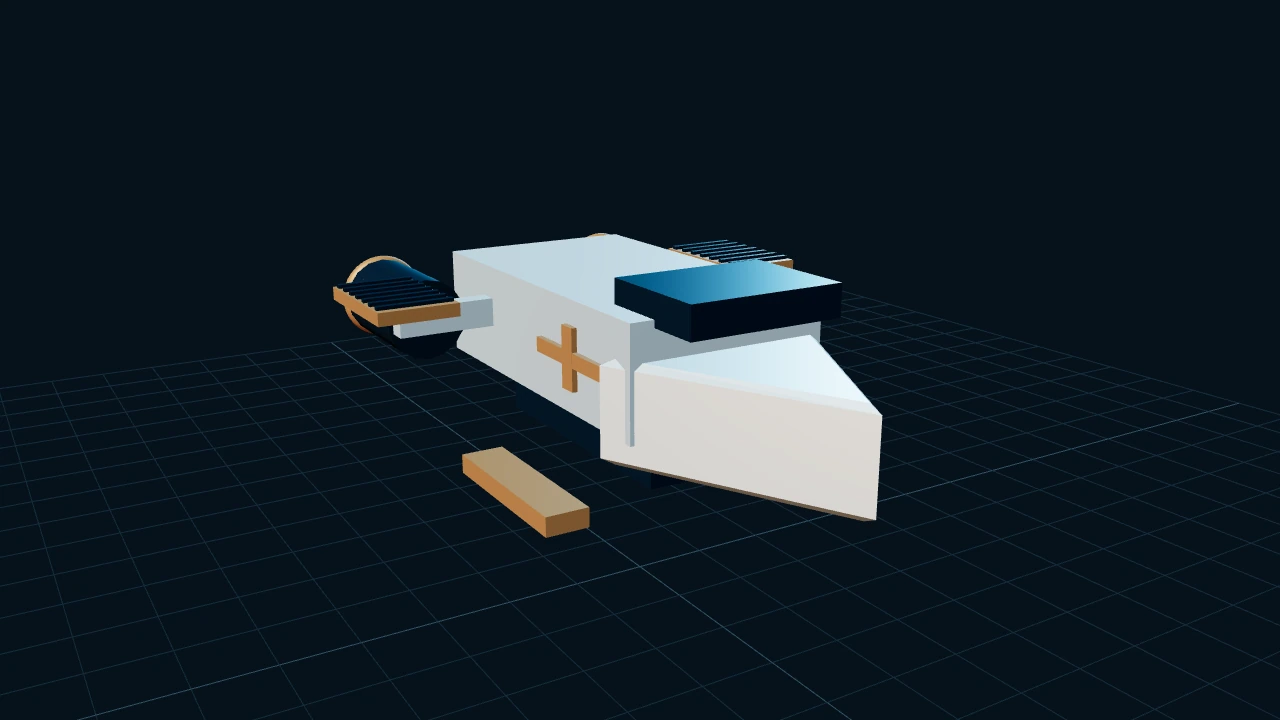
The transfer between danger and safety
Infrastructure transport / before the shortcut exists
Watch 144 rendered geometry frames. Not a finished movie clip.
Watch 144 rendered geometry frames. Not a finished movie clip.
Watch 144 rendered geometry frames. Not a finished movie clip.
No. These are new procedural website concepts developed around the existing vessel roles. Final film hulls, dimensions and engineering specifications are not claimed.
The last-departure vessel is a scene role within the carrier family. It deliberately shares that model rather than pretending to be a newly approved class.
No. Each six-second clip contains 144 rendered frames of the actual new geometry at 24 frames per second. The three clips are silent concept turntables, not finished movie footage.
Yes. Every ship keeps its readable dossier, original artwork and three static rendered views. Reduced-motion preferences, data-saver controls and native vertical touch scrolling are respected.
The fleet roles come from the existing The Human website and the Cyborg story record, especially sections 18, 26 and 28.4–28.5. These new meshes are editorial visual proposals, not designs that the owner has separately approved for production.
Reviewed story blob: b2d733073d4c72184776200e8c6dccd61178def0. Original character photographs and the approved homepage are unchanged.