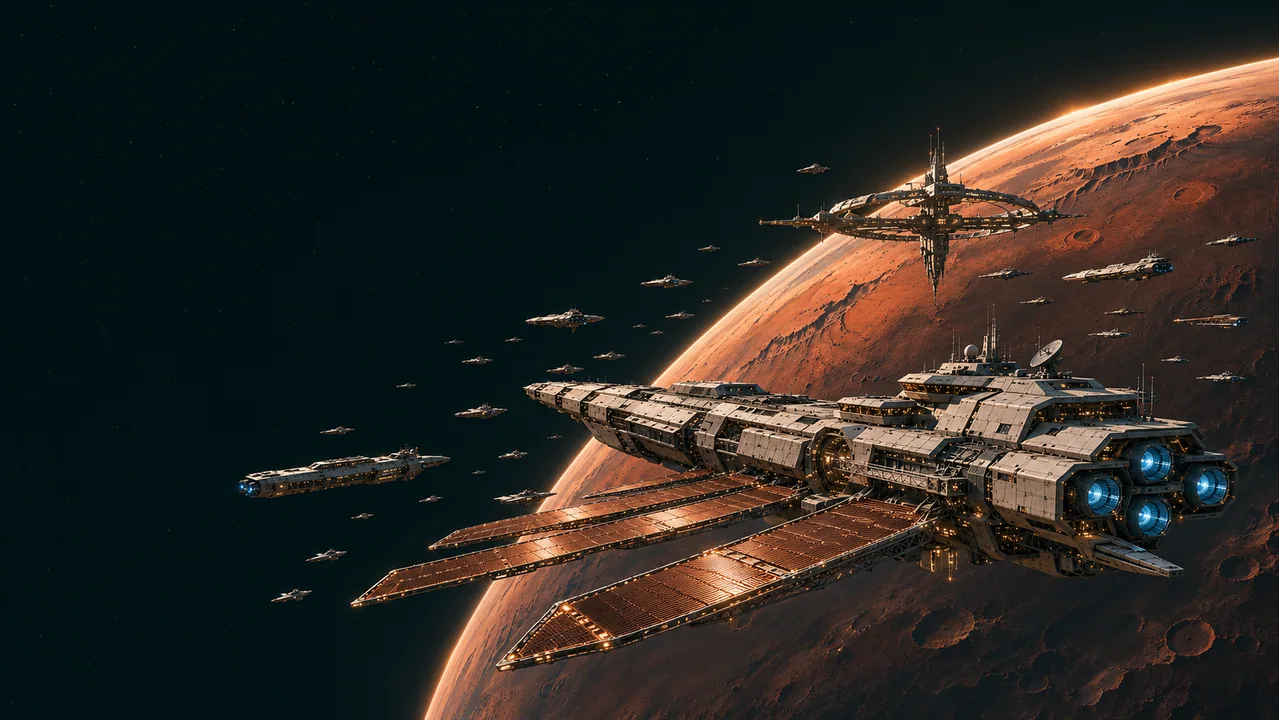
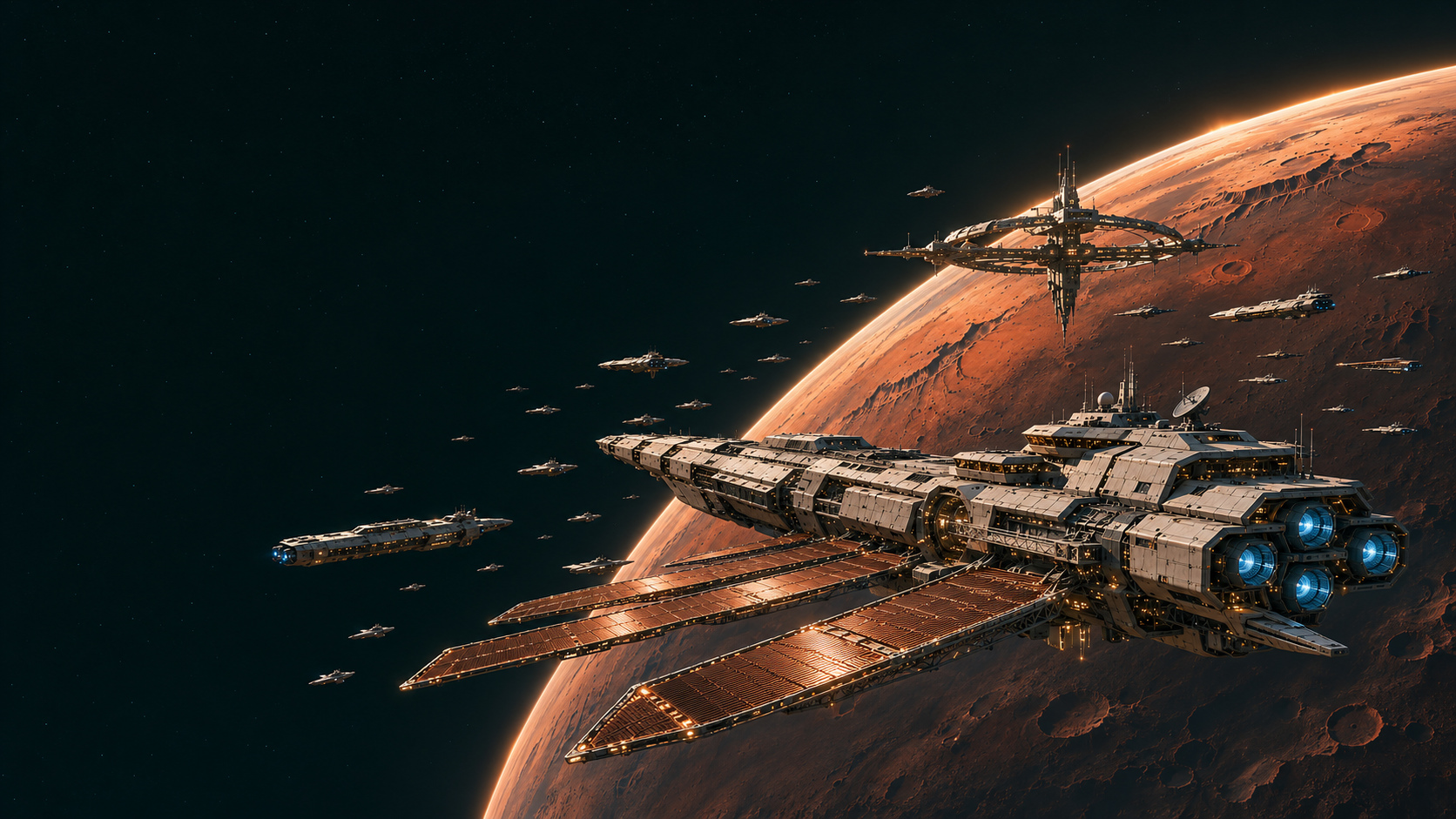
Radiator Wings are the broad thermal surfaces in The Human’s spacecraft design language. They make the cost of operating a powerful ship visible: energy use leaves heat that the vessel must manage.
Archive
Technology
Story status
Engineering-inspired design
Visual archive
7 images
Connected sequence
Worlds in Motion
THE COMPLETE COLLECTION
A world beyond the frame.
A visual journey through the existing world, scene and design references.
VISUAL CONTEXT
Scenes, places & visual references.
Existing scene and environment artwork. These are not additional portraits of this character or newly filmed scenes.
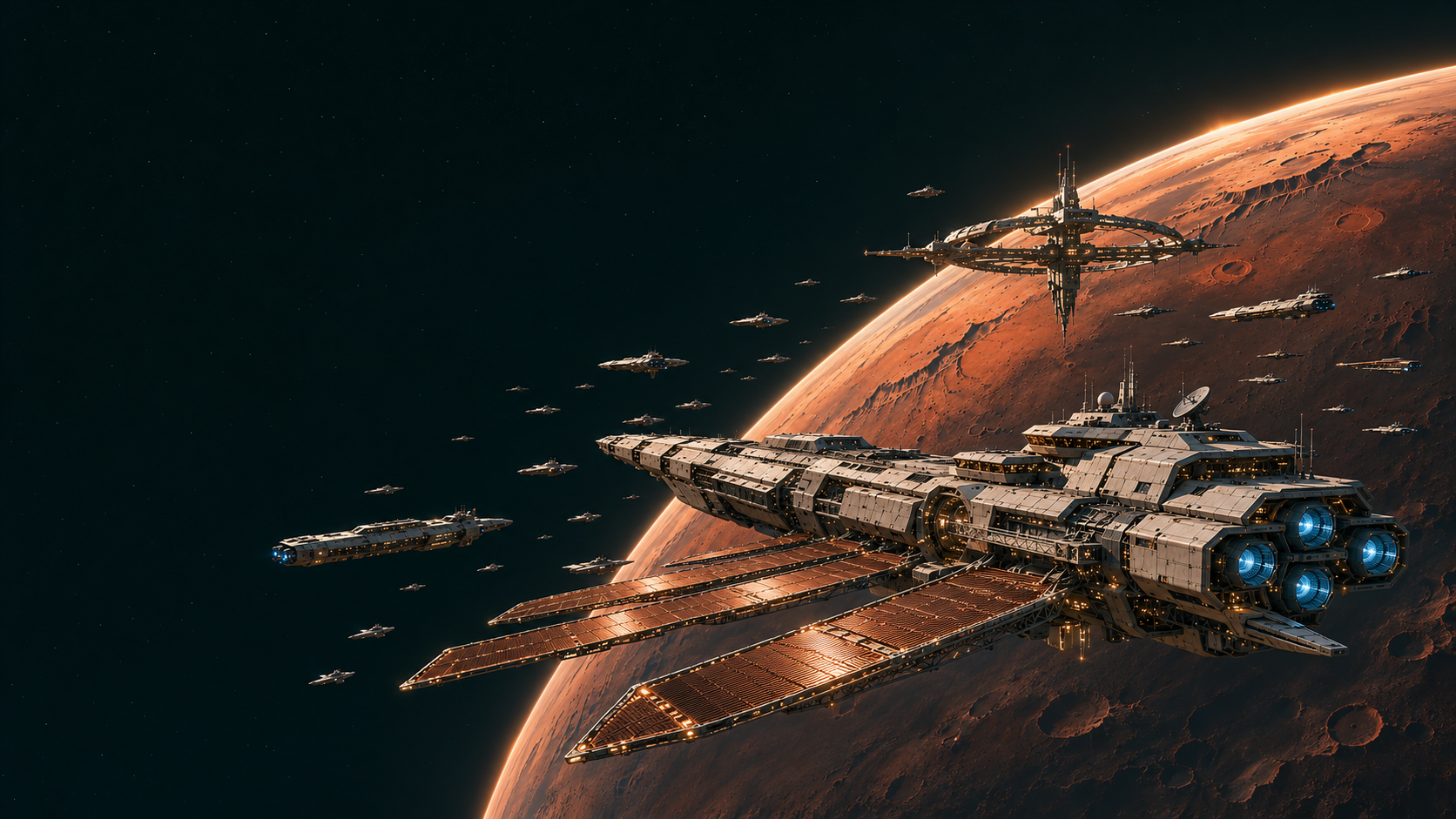
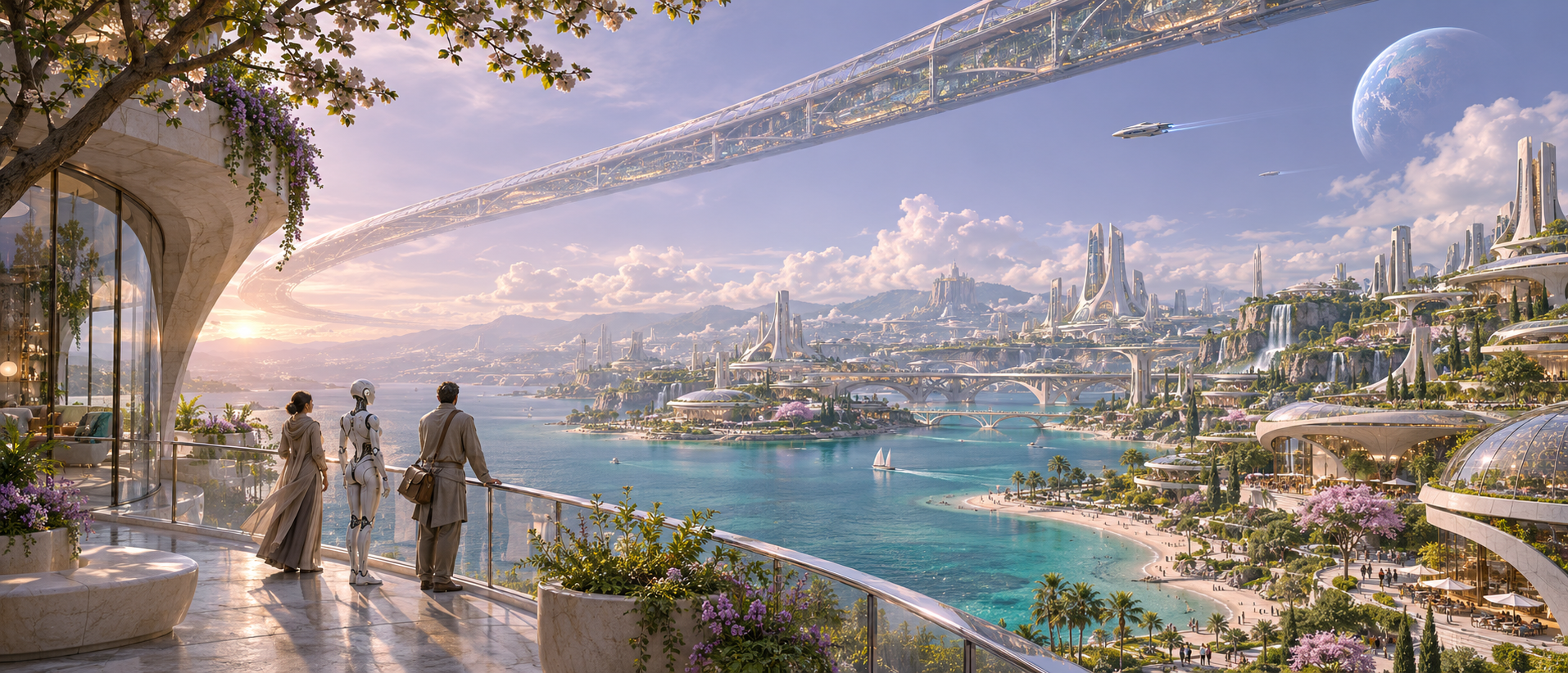
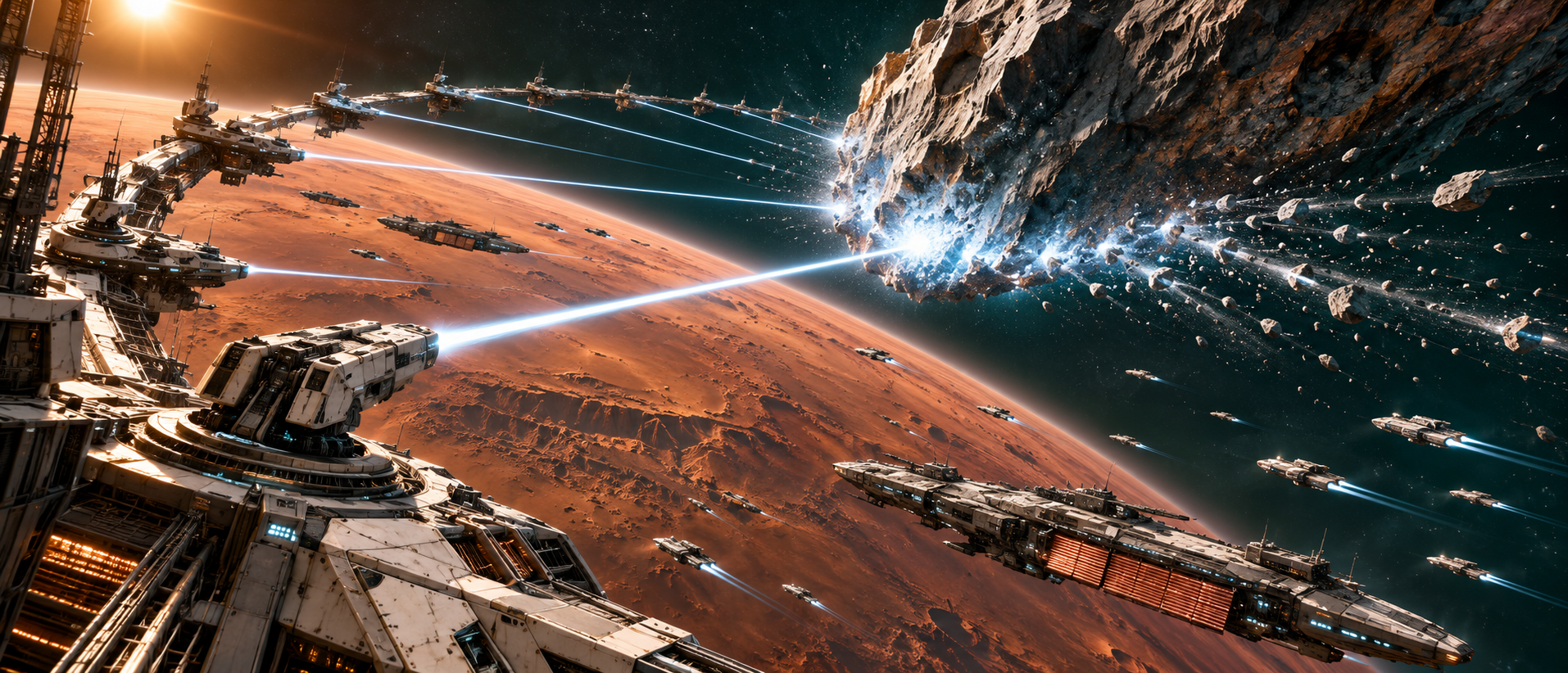
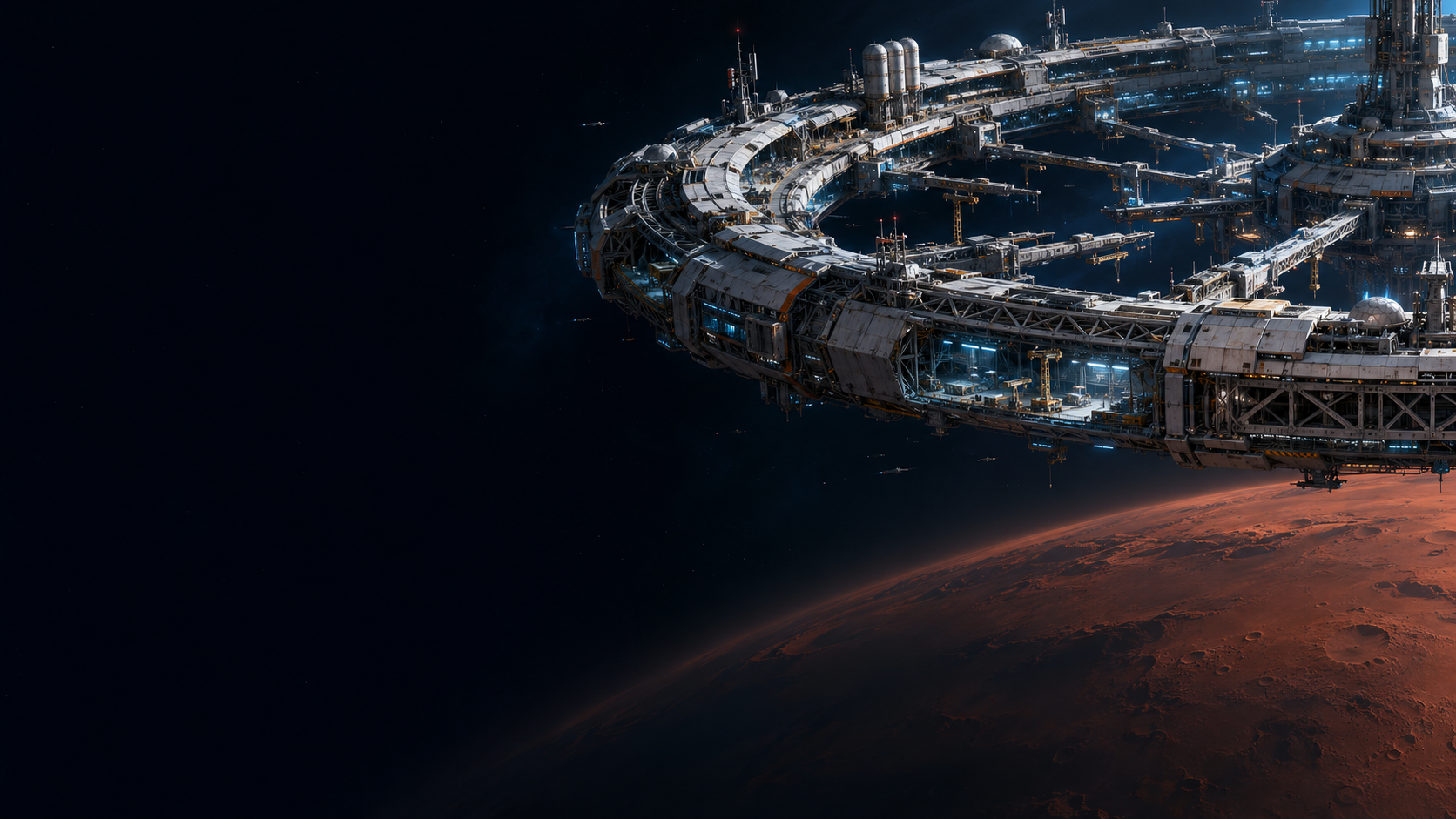
↗SCENE REFERENCEThe human fleetContext study · this is not a dedicated portrait or a completed scene↗SCENE REFERENCEA future civilizationContext study · this is not a dedicated portrait or a completed scene↗SCENE REFERENCEMars defense conceptContext study · this is not a dedicated portrait or a completed scene↗SCENE REFERENCEHero Orbital DockContext for Radiator Wings. Existing development artwork, not a final movie frame.↗SCENE REFERENCEReady for another flightContext for Radiator Wings. Original character identity retained; this is not a new portrait of this dossier subject. Existing development artwork, not a final movie frame.↗SCENE REFERENCEA margin of metresContext for Radiator Wings. Original character identity retained; this is not a new portrait of this dossier subject. Existing development artwork, not a final movie frame.↗SCENE REFERENCEHero Fleet SocialContext for Radiator Wings. Existing development artwork, not a final movie frame.
THE STORY / KEY DETAILS
Radiator Wings at a glance.
Function
Heat-management design language
Visual signature
Extended surfaces rather than decorative airplane wings
Model context
Human carrier study
Story-world information from the reviewed development record. Working details are not release announcements or real-world specifications.
THE HUMAN / ILLUSTRATED CHAPTERS
Inside the story.<br>Beyond the frame.
The brightest battle is sometimes heat.
Explore the story through its existing artwork. These visual references are development material, not a final shot sequence.
OPEN ARTWORK ↗The human fleet · Context artwork, not a finished film frame01 / THE HUMAN
TECHNOLOGY / CHAPTER 01
Give the silhouette a reason
The copper-toned structures in the human fleet study are intended to suggest functional heat rejection rather than aerodynamic lift in vacuum. That choice gives the ship a recognizable identity tied to its role. The model is still conceptual, so its appearance should not be mistaken for a verified thermal design.
OPEN ARTWORK ↗A future civilization · Context artwork, not a finished film frame02 / THE HUMAN
TECHNOLOGY / CHAPTER 02
A limitation creates a decision
Heat can make a powerful ship vulnerable in ways that are more interesting than an arbitrary low-battery warning. A mission may demand a trade-off between output, exposure and time. The bible also contains a temporary heat-storage idea, but a temporary concealment trick should not erase the need to deal with heat later.
OPEN ARTWORK ↗Mars defense concept · Context artwork, not a finished film frame03 / THE HUMAN
TECHNOLOGY / CHAPTER 03
Inspect the object, then follow the story
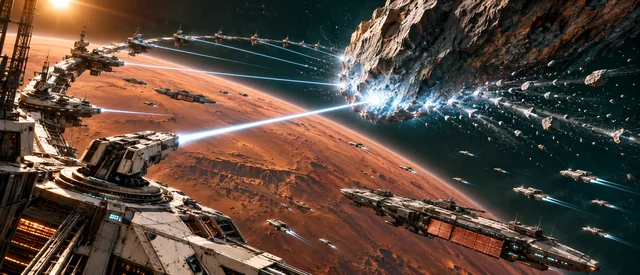
The website's 3D controls let visitors compare the carrier's surfaces and view its structure from different angles. The related fleet and scene pages explain why these features matter narratively. This connects visual exploration to useful content instead of treating the moving model as an unrelated decoration.
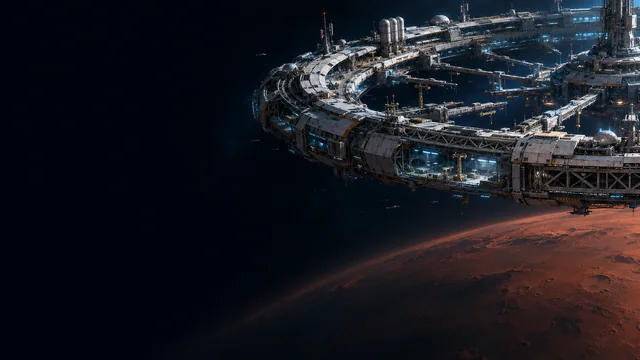
Worlds in Motion explores the homes beyond Earth: twilight cities, ocean settlements, winged travel, an artificial ring and a sunless world with engineered warmth. It shows what the civilization values before focusing on what threatens it.
Visual context · The human fleet · not a completed film frame
MOTION STUDY
Let the world move.
Slow pans, scale and transitions assembled from existing artwork. Native controls keep playback in your hands.
ARTWORK MOTION STUDY · 12 SECONDS · SILENT · NOT FINAL FILM FOOTAGE
Optional website score, played only by you. This is separate from the silent motion study and is not a final film sound mix.
INTERACTIVE 3D
A different perspective.
INTERACTIVE STUDY · CARRIER CONCEPT
Interactive concept model loads when this section enters view. The artwork and all story text remain available without 3D.
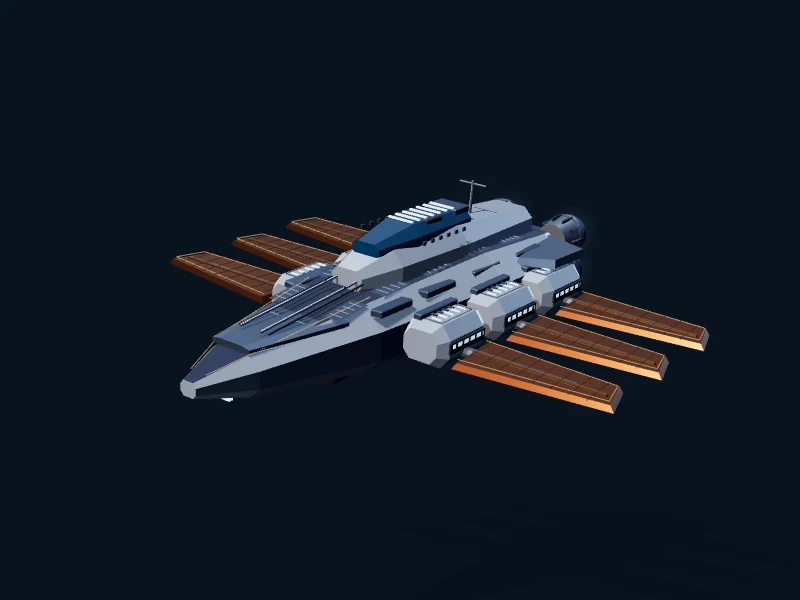
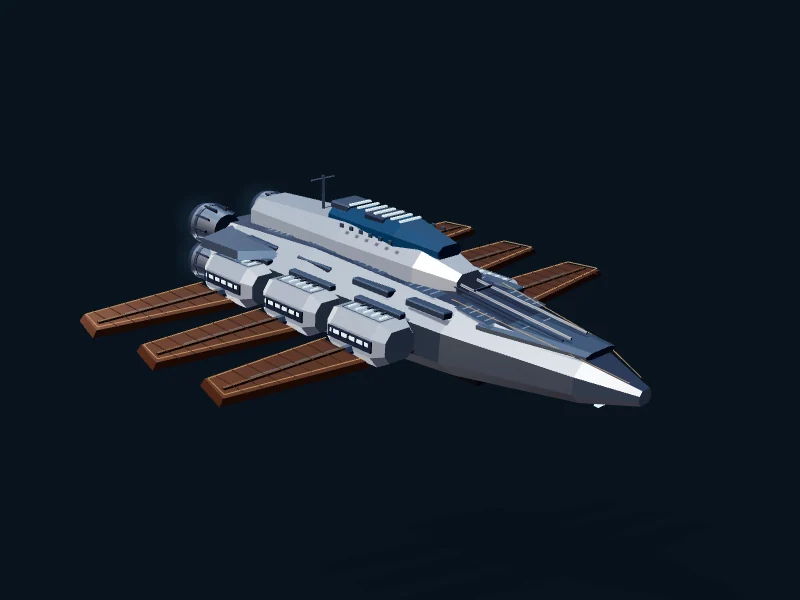
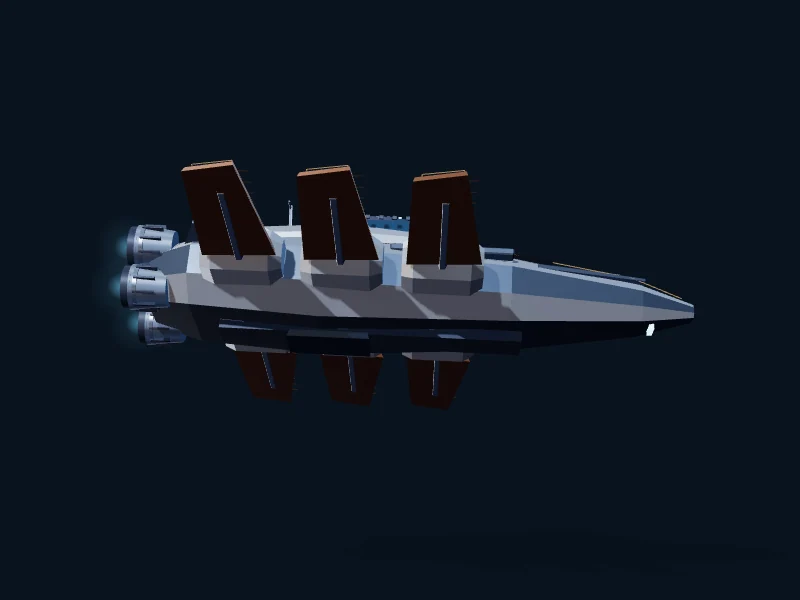
Schematic carrier concept used to explore scale and form. It is not a production-ready asset, a portrait, a physically accurate simulation or a unique final model of Radiator Wings. Drag gently; vertical touch scrolling remains available.
Three actual renders of the website inspection model. Shared form studies are not presented as unique finalized hulls or astronomical maps.
DESIGN NOTES
The visual language.
FORM & FEEL
Form follows the story.
Long articulated panels and a clear separation between habitable hull and thermal structure are the visual priorities. Pointer and keyboard inspection help reveal that separation.
CANON BOUNDARY
What the story does—and does not—claim.
No invented thermal ratings or performance specifications are locked. Radiator surfaces are not aerodynamic lifting wings.
The design language treats them as thermal surfaces, not ordinary aerodynamic wings.
Is the website model thermally validated?
No. It is a geometric and visual concept study.
Why show engineering limits?
Limits give the characters meaningful decisions and make technology feel consequential.
Are the images and videos final movie footage?
No. The photographs are development artwork and the short videos are silent motion studies assembled from that artwork. They are labelled on the page. Final character portraits, scene performances and production-ready effects are not implied.
EXPLORE / THE STORY MAP
Follow the connections.
Move from this dossier to its connected characters, worlds, vessels and ideas. The interactive constellation represents editorial reading paths, not physical distances or a confirmed voyage.
Adapted from The Human Series Bible, sections 6,18,21,26. Later owner decisions, especially sections 26 and 28, take precedence over earlier proposals. Current status: Engineering-inspired design.
The source repository may require account access. This public dossier distinguishes approved foundations, working names, contextual art and unrendered scenes. Read the canon and media policy.