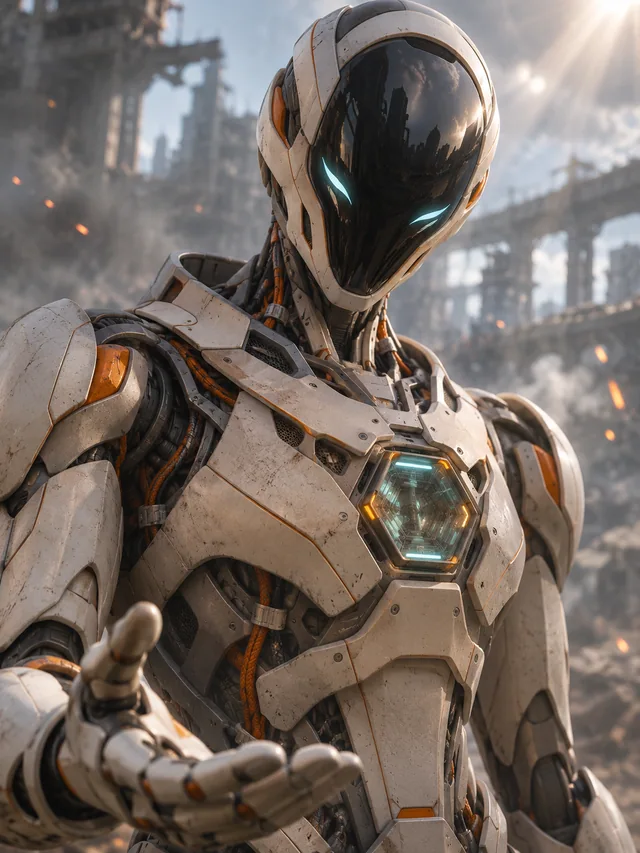
Earth is humanity’s first home and the center of the evacuation crisis in The Human - II. The ruined-world opening takes place after the impact; the Cyborgs seen there are a recovery team, not the cause of the destruction.
Archive
Worlds & habitats
Story status
Owner-approved story foundation
Visual archive
6 images
Connected sequence
Ash & Rescue
THE COMPLETE COLLECTION
A world beyond the frame.
A visual journey through the existing world, scene and design references.
VISUAL CONTEXT
Scenes, places & visual references.
Existing scene and environment artwork. These are not additional portraits of this character or newly filmed scenes.
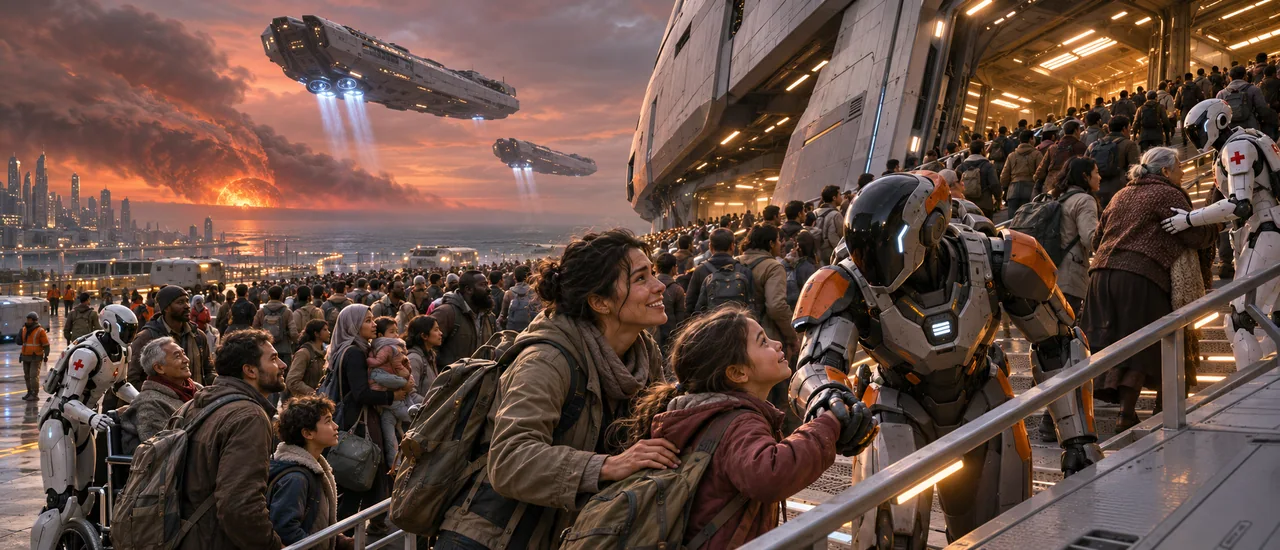
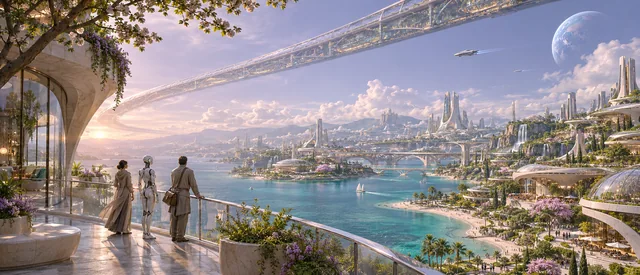
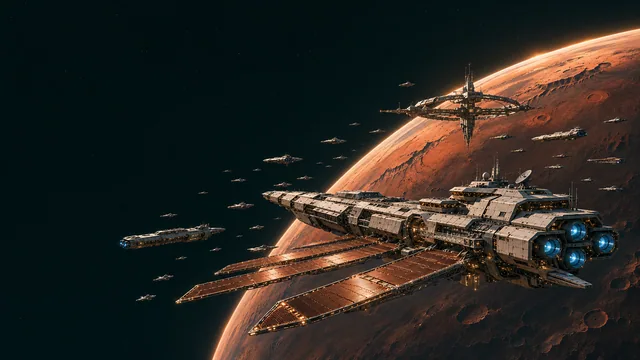
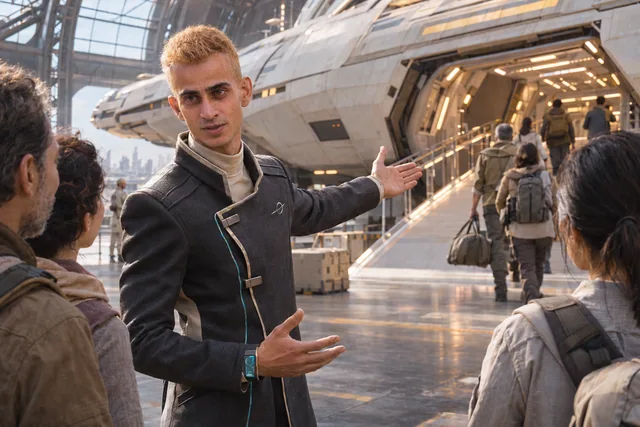
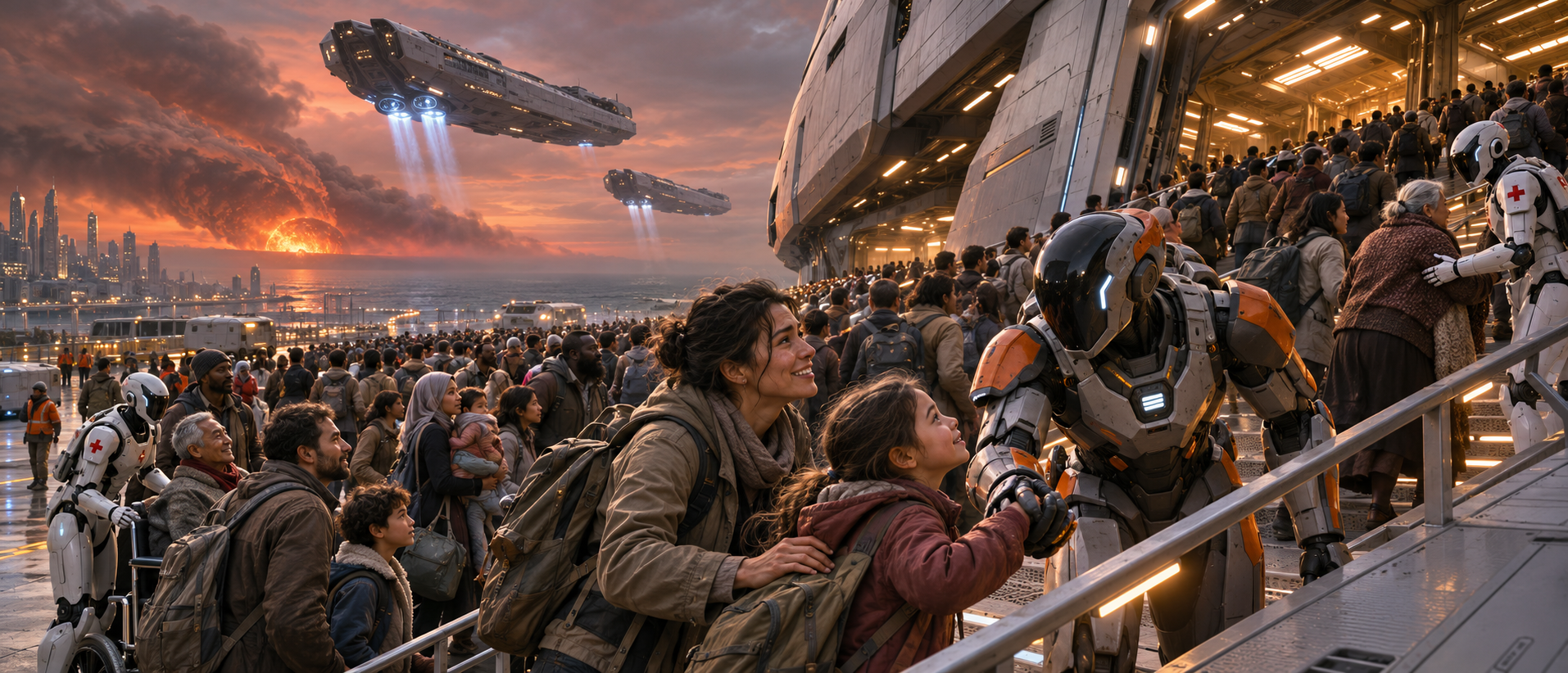
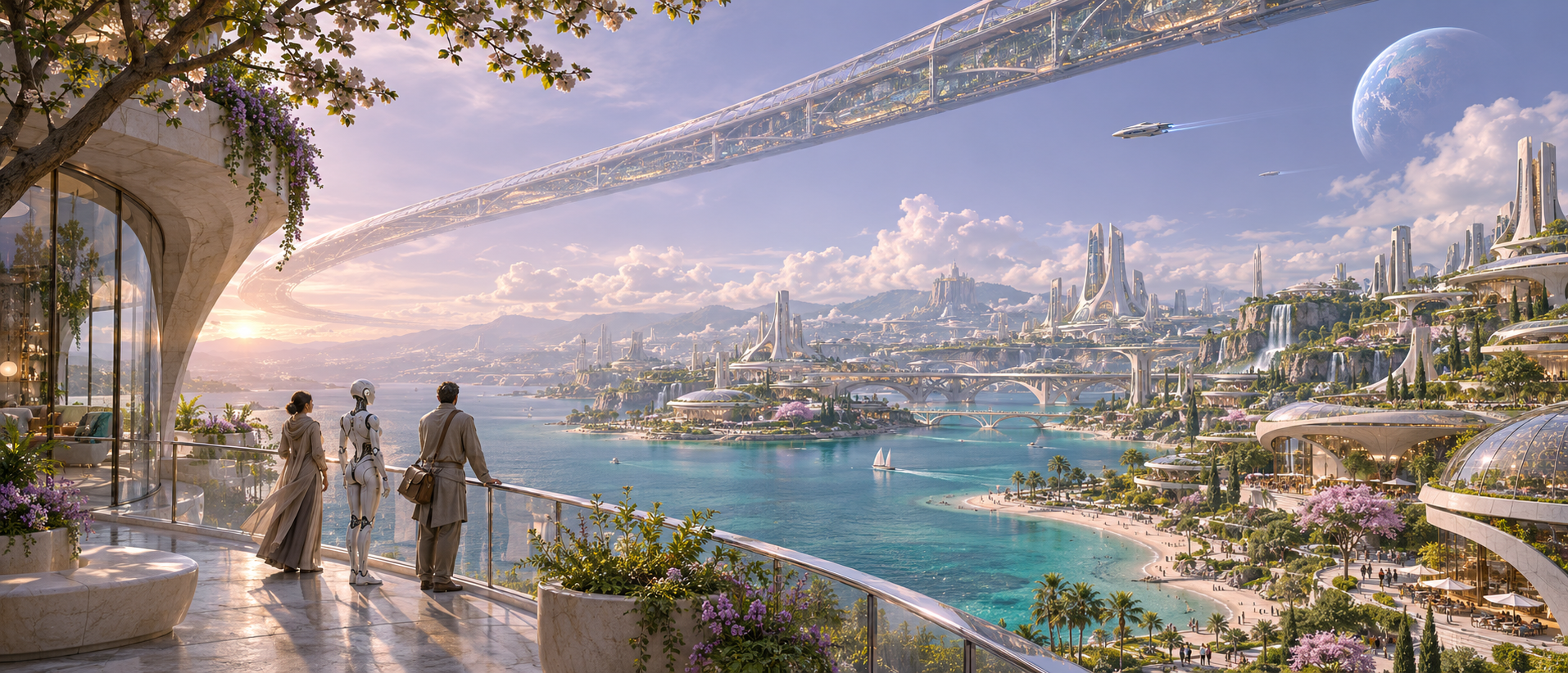
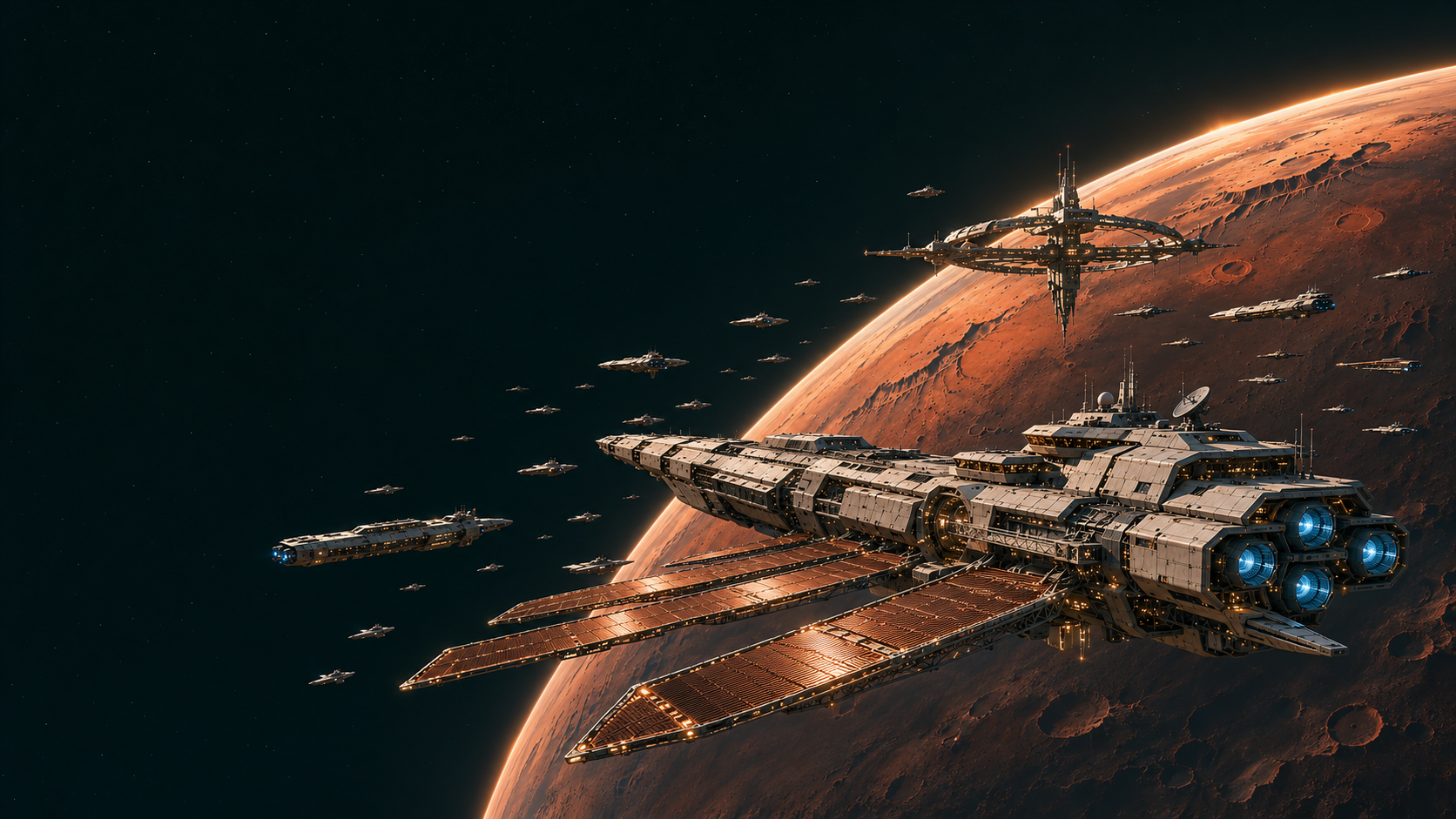
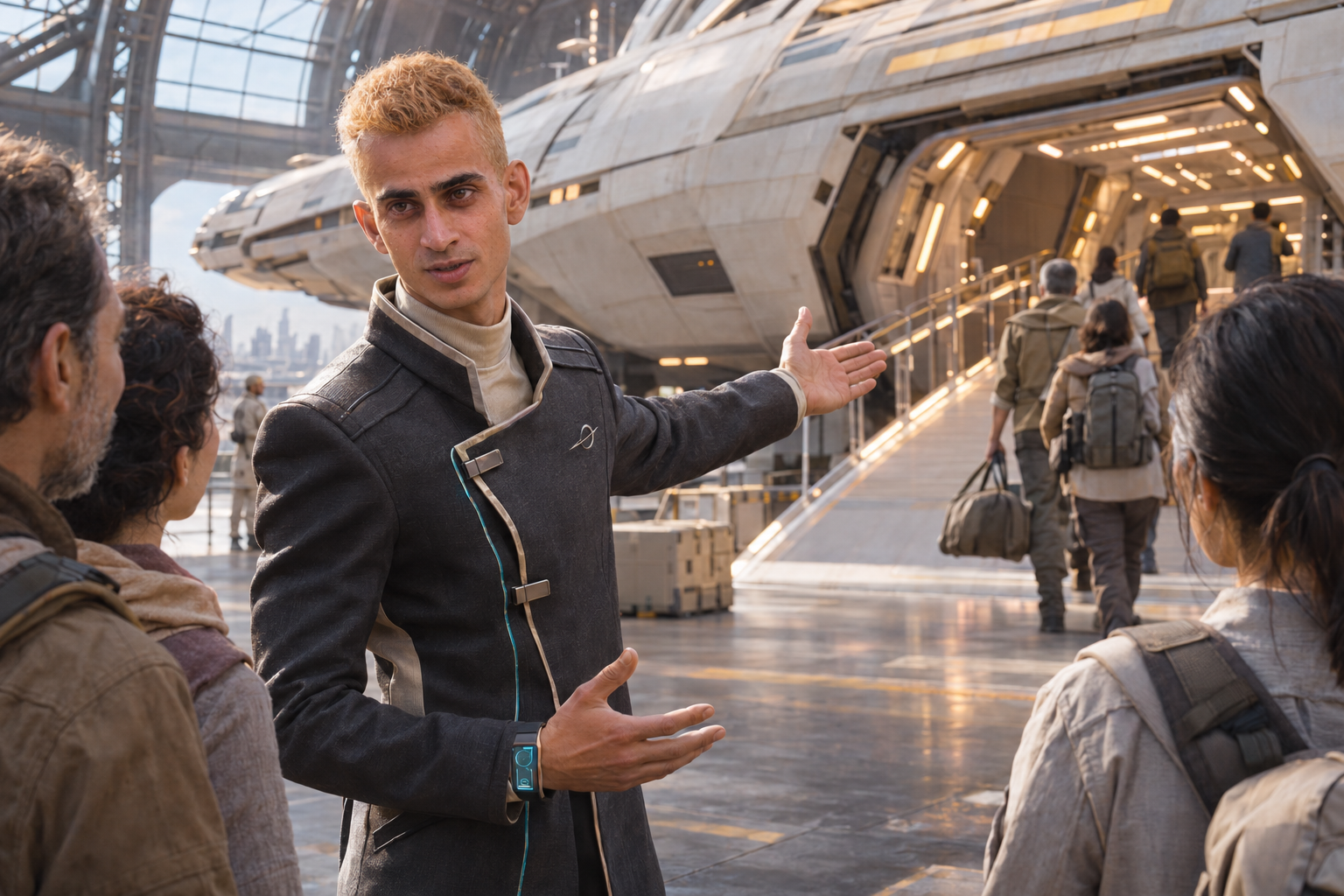
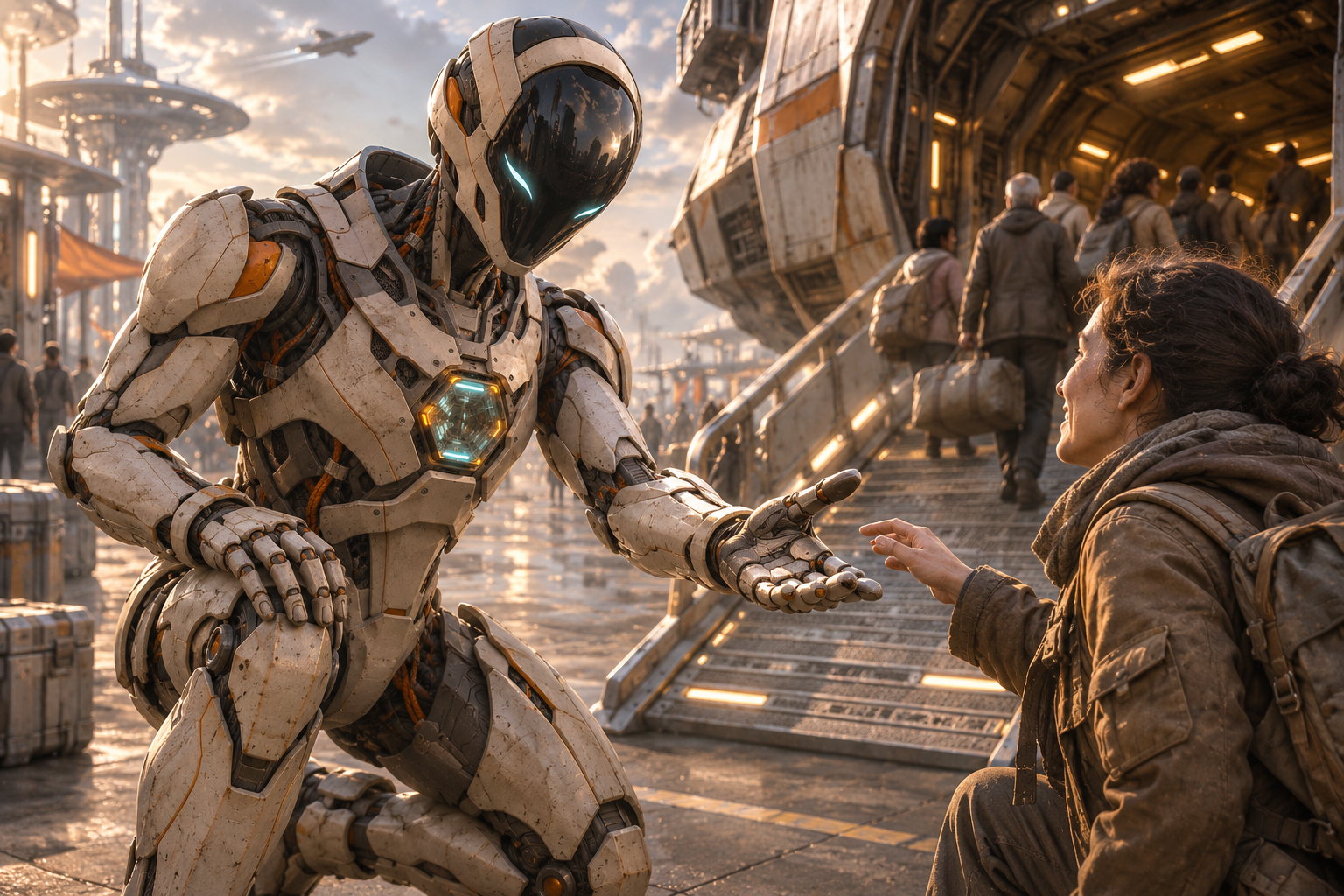
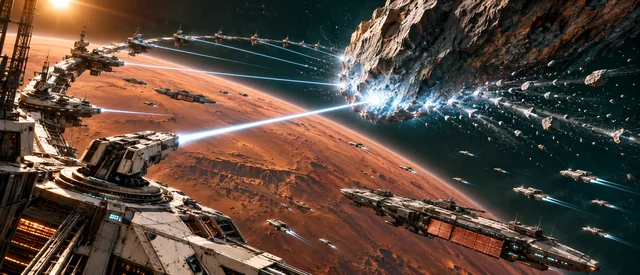
↗SCENE REFERENCEEarth evacuation conceptContext study · this is not a dedicated portrait or a completed scene↗SCENE REFERENCEA future civilizationContext study · this is not a dedicated portrait or a completed scene↗SCENE REFERENCEThe human fleetContext study · this is not a dedicated portrait or a completed scene↗SCENE REFERENCEOne more lifeContext for Earth. Original character identity retained; this is not a new portrait of this dossier subject. Existing development artwork, not a final movie frame.↗SCENE REFERENCEStill searchingContext for Earth. Original character identity retained; this is not a new portrait of this dossier subject. Existing development artwork, not a final movie frame.↗SCENE REFERENCEOne more safe departureContext for Earth. Original character identity retained; this is not a new portrait of this dossier subject. Existing development artwork, not a final movie frame.
THE STORY / KEY DETAILS
Earth at a glance.
Setting type
Planet
Story role
Home, evacuation and recovery
Opening era
3026
Epilogue
3038 development timeline
Story-world information from the reviewed development record. Working details are not release announcements or real-world specifications.
THE HUMAN / ILLUSTRATED CHAPTERS
Inside the story.<br>Beyond the frame.
A home is not abandoned because it is broken.
Explore the story through its existing artwork. These visual references are development material, not a final shot sequence.
OPEN ARTWORK ↗Earth evacuation concept · Context artwork, not a finished film frame01 / THE HUMAN
WORLDS & HABITATS / CHAPTER 01
Begin with the aftermath
The story opens on a damaged Earth before revealing the purpose of the machines moving through it. That ordering invites a fear that the film then challenges. The Cyborgs are not celebrating the absence of people; they are looking for those who still need help. Earth carries the emotional weight of everything the audience has not yet seen: ordinary streets, conversations and homes that existed before the ash.
OPEN ARTWORK ↗A future civilization · Context artwork, not a finished film frame02 / THE HUMAN
WORLDS & HABITATS / CHAPTER 02
The last routes out
The impact and evacuation are not the same event. Many people have already left, while the final ships face a narrowing window. The bible places the impact in Africa, with consequences spreading across the planet. Precise populations, countdowns and older draft travel estimates should not be confused with final production decisions. The essential story chain is clear: danger becomes real, people move, and rescue continues after the largest spectacle.
OPEN ARTWORK ↗The human fleet · Context artwork, not a finished film frame03 / THE HUMAN
WORLDS & HABITATS / CHAPTER 03
A home is more than a strategic asset
Earth matters even when humanity has other inhabited worlds. Culture, memory and personal attachment cannot be replaced by declaring a new coordinate safe. The later recovery thread asks what it means to restore a place rather than merely win a battle. The twelve-years-later ending is part of the story timeline, not an announcement that a completed film or a release schedule exists.
The opening takes place after Earth’s catastrophe. Cyborg figures among the ruins initially look threatening, then their rescue work changes the meaning of the image. The approved direction makes AI an ally, not the cause of the disaster.
Visual context · Earth evacuation concept · not a completed film frame
MOTION STUDY
Let the world move.
Slow pans, scale and transitions assembled from existing artwork. Native controls keep playback in your hands.
ARTWORK MOTION STUDY · 12 SECONDS · SILENT · NOT FINAL FILM FOOTAGE
Optional website score, played only by you. This is separate from the silent motion study and is not a final film sound mix.
INTERACTIVE 3D
A different perspective.
INTERACTIVE STUDY · SCHEMATIC WORLD
Interactive concept model loads when this section enters view. The artwork and all story text remain available without 3D.
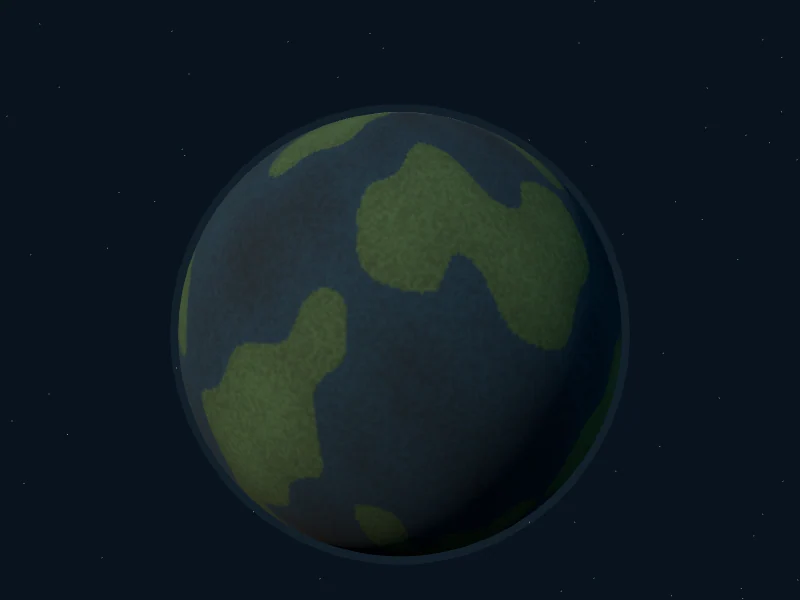
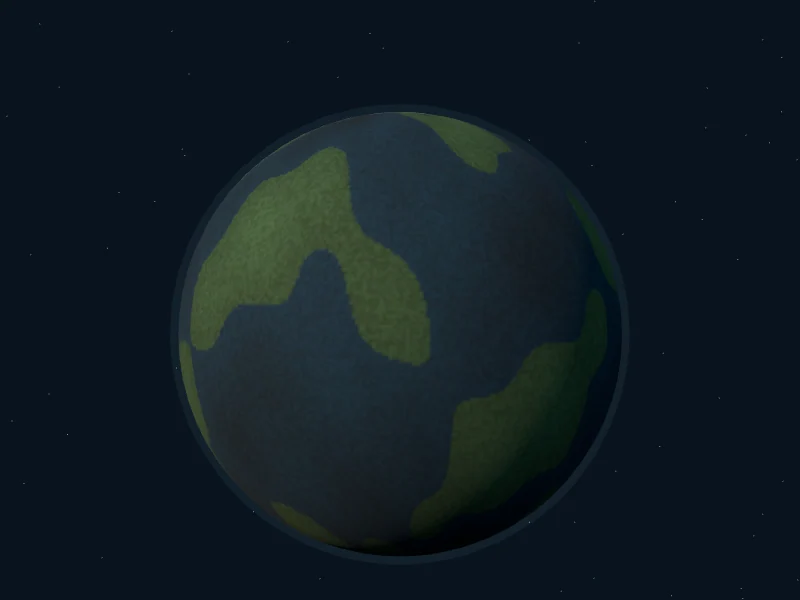
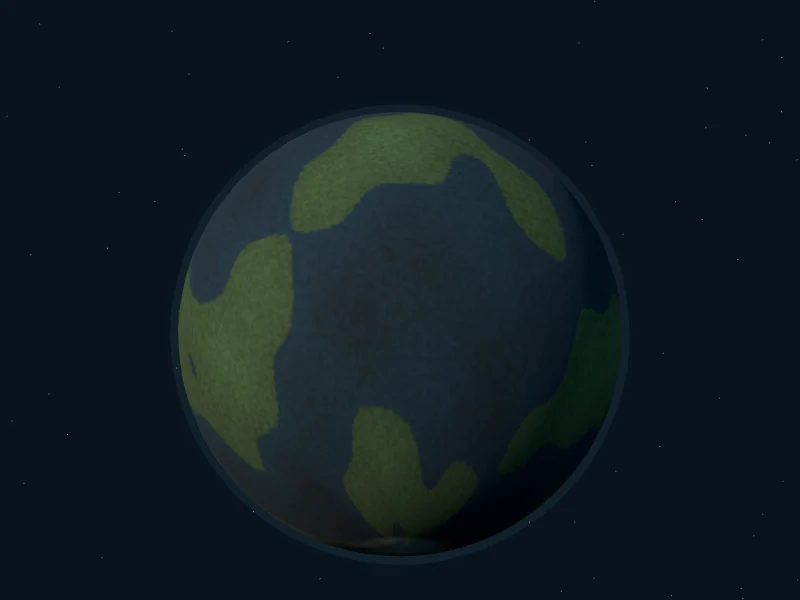
Schematic schematic world used to explore scale and form. It is not a production-ready asset, a portrait, a physically accurate simulation or a unique final model of Earth. Drag gently; vertical touch scrolling remains available.
Three actual renders of the website inspection model. Shared form studies are not presented as unique finalized hulls or astronomical maps.
DESIGN NOTES
The visual language.
FORM & FEEL
Form follows the story.
Ash, ruined architecture, small rescue figures and the contrast of a departing ship should carry the scale. Earth’s gallery combines evacuation concepts with recovery-related character images, identified by their actual subject.
CANON BOUNDARY
What the story does—and does not—claim.
A fictional future disaster, not a real asteroid alert. The story’s Earth/Mars settlements do not imply that people live on the Moon.
No. The opening's robots are a rescue and recovery team.
Does humanity live only on Earth?
No. The setting includes Mars and a wider network of extrasolar homes.
Is Earth immediately restored?
The bible keeps recovery as a longer story thread rather than undoing the disaster immediately.
Are the images and videos final movie footage?
No. The photographs are development artwork and the short videos are silent motion studies assembled from that artwork. They are labelled on the page. Final character portraits, scene performances and production-ready effects are not implied.
EXPLORE / THE STORY MAP
Follow the connections.
Move from this dossier to its connected characters, worlds, vessels and ideas. The interactive constellation represents editorial reading paths, not physical distances or a confirmed voyage.
Adapted from The Human Series Bible, sections 3,5,22,28.1. Later owner decisions, especially sections 26 and 28, take precedence over earlier proposals. Current status: Owner-approved story foundation.
The source repository may require account access. This public dossier distinguishes approved foundations, working names, contextual art and unrendered scenes. Read the canon and media policy.