Live
The future has meaning in ordinary shared moments.
 THE HUMANALIENS STUDIO
Meet the people. Discover their worlds.
Follow the spacecraft, scenes and ideas that connect them.
A film universe in development. Artwork and short motion studies are not final movie footage.
Before a future can be defended, it has to be lived.
Everyday celebration across Lagos, Seoul and Mumbai
A film world in development / Context artwork + interactive schematic
The rooftop festivals are proposed everyday-life settings named for Lagos, Seoul and Mumbai in The Human II's visual brief. They show the civilization's shared future without making its cultures interchangeable. This is one guide to a group of scenes, not a claim that three separate production-approved festival sets already exist.
Everyday celebration across Lagos, Seoul and Mumbai. Follow its connections to the wider film world, from everyday life to the choices made under pressure.
The film's positive view of humanity is larger than its response to an enemy. People have built a civilization in which daily life can improve and destructive rivalry is no longer the organizing purpose. A celebration can make that idea visible without a lecture. A rooftop is close to people and open to the wider city, allowing the same frame to hold an intimate gathering and the scale of the future around it. The setting's purpose is not merely decorative relief before danger. It shows what people value when they are not being defined by a crisis.
The visual brief names three cities. That should produce three opportunities for research, observation and design rather than one generic festival copied across different captions. This page does not invent a real cultural practice, a specific religious event or a future custom for any of them. It preserves the named settings and leaves their individual performances, food, music and visual detail to appropriate development. The shared direction is a civilization connected across cultures, not a claim that the cities have lost their identities or that one culture is the model for all the others.
The owner allows a small number of recognizable company towers while asking that the movie not resemble advertising. The rooftop view offers a useful test of that boundary. An ordinary gathering should still feel like people's lives even when advanced transport and company-built systems are visible nearby. A building's maker is not the owner of the moment. The film's companies can belong to the setting without every window, screen or rooftop repeating a logo. This page connects to the headquarters and machine-world themes while keeping the emphasis on a shared life outside those institutions.
The broader source imagines machines as familiar conversational participants, including household devices, cars and ships. Their presence can help establish the everyday future before the story asks the audience to understand the more unusual Persona rules. That does not require assigning Anil's face to a household machine or introducing an unapproved new character in a crowd. The website's references remain environmental. It also avoids presenting a finished song, dance or spoken performance that does not exist. The scene concept is social connection; the final creative expression must still be made and reviewed.
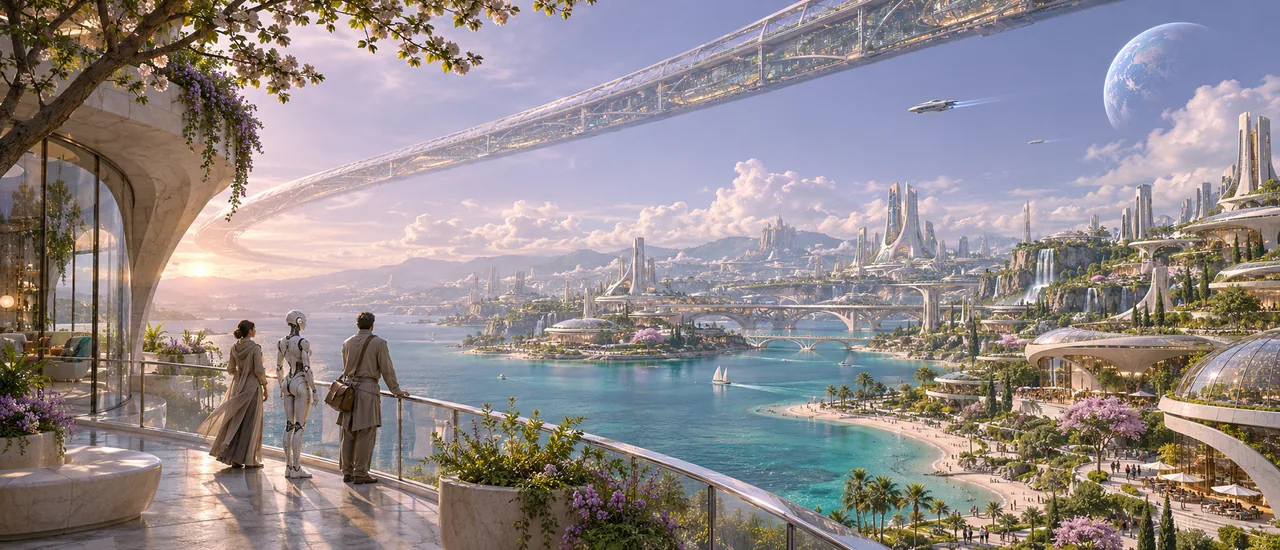
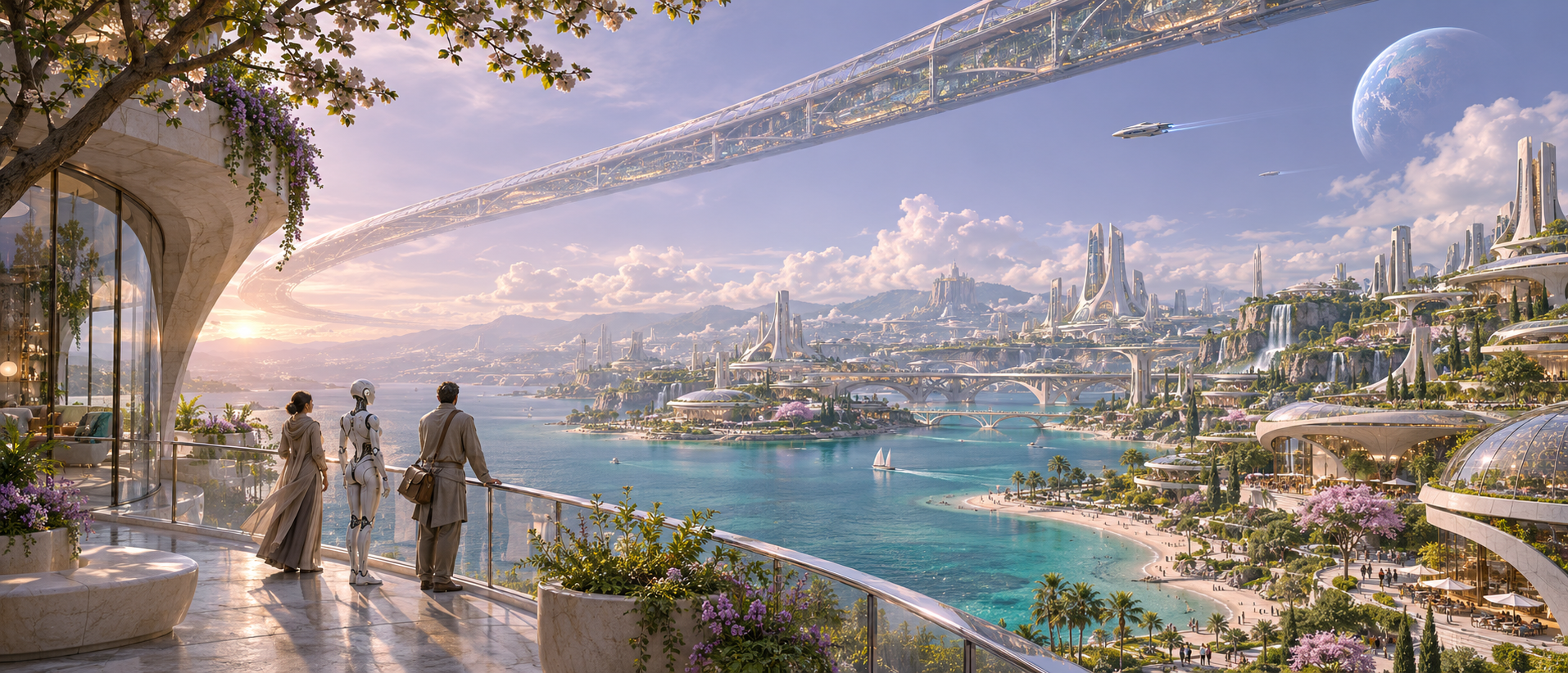
This guide connects the three rooftop proposals rather than pretending that one city render documents every location. Existing future-world artwork supplies atmosphere and is labelled accordingly. The reused city schematic demonstrates a change of viewpoint and phase, not the geography of Lagos, Seoul or Mumbai. The Worlds motion study is a broader visual-development reference rather than a festival sequence. Those distinctions let the page offer a meaningful story path now while retaining a clear production checklist: separate approved city views, culturally considered gathering details and any performed festival footage remain additional assets, not hidden completions inside the current gallery.
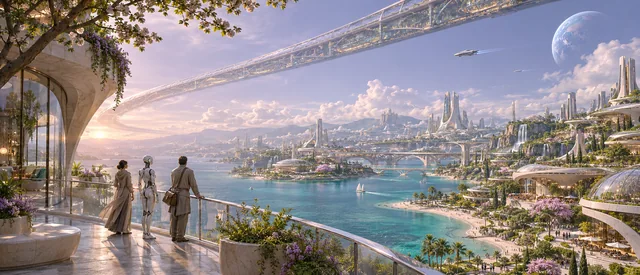
Static artwork remains available without 3D. The exhibit is an abstract website schematic, not a final model, approved map or physical simulation.
Drag horizontally or use arrow keys to inspect. Vertical touch scrolling remains native. The phase control changes geometry; it is not a claim about story timing.
The future has meaning in ordinary shared moments.
Different cities keep their own identities.
The spectacle matters because these lives matter.
Watch the worlds in motion artwork motion study: 12 seconds of silent concept imagery, with a shot guide and links to The Human story dossiers.
Related story context. This existing clip is not a new scene at Rooftop Festivals or a completed character performance.
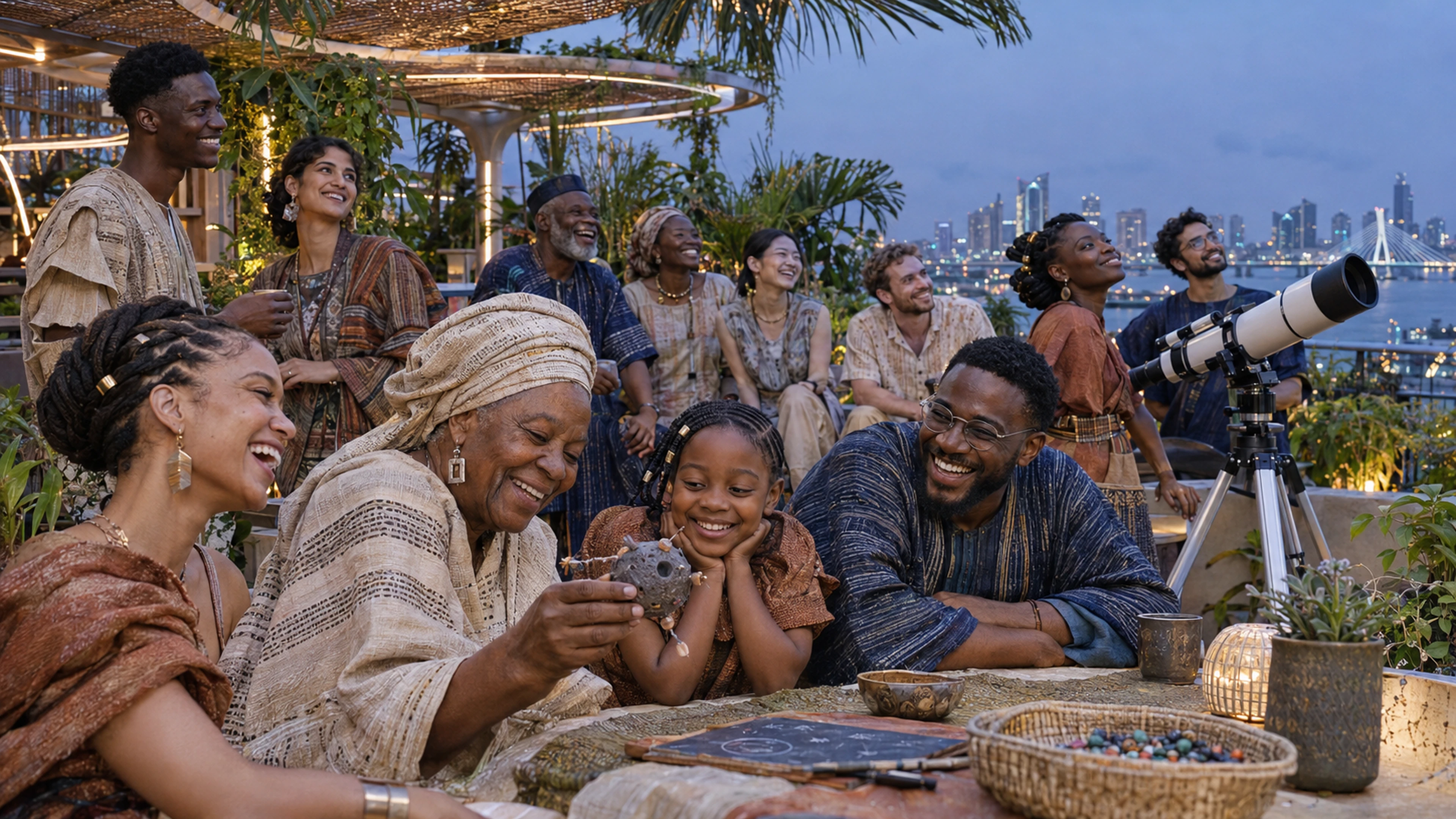
Read the full watch page ↗The cast studio now provides a separate crowd study for each named rooftop setting: Lagos, Seoul and Mumbai. They are presented with their own captions rather than using one city image under three names. Anonymous people in these compositions are not relabelled as members of the principal cast.
These are proposed gathering scenes, not documented cultural events or finished performances. The original guide's distinction between a collection of ideas and three completed film sets remains intact. The gallery adds inspectable visual references while leaving final cultural detail, music, choreography and production approval to the appropriate creative work.
 FULL VIEW ↗
Cast-world study inspired by trailer v6 S22, before the alarm. Unnamed fictional people; no main-character identity implied.
Delivery 3840 × 2160; source-native 1672x941. ImageMagick Lanczos to 3840x2160 with minimal center trim and restrained unsharp mask (0x0.55+0.35+0.015); not native 4K
continuity reference; awaiting owner review
Owning studio ↗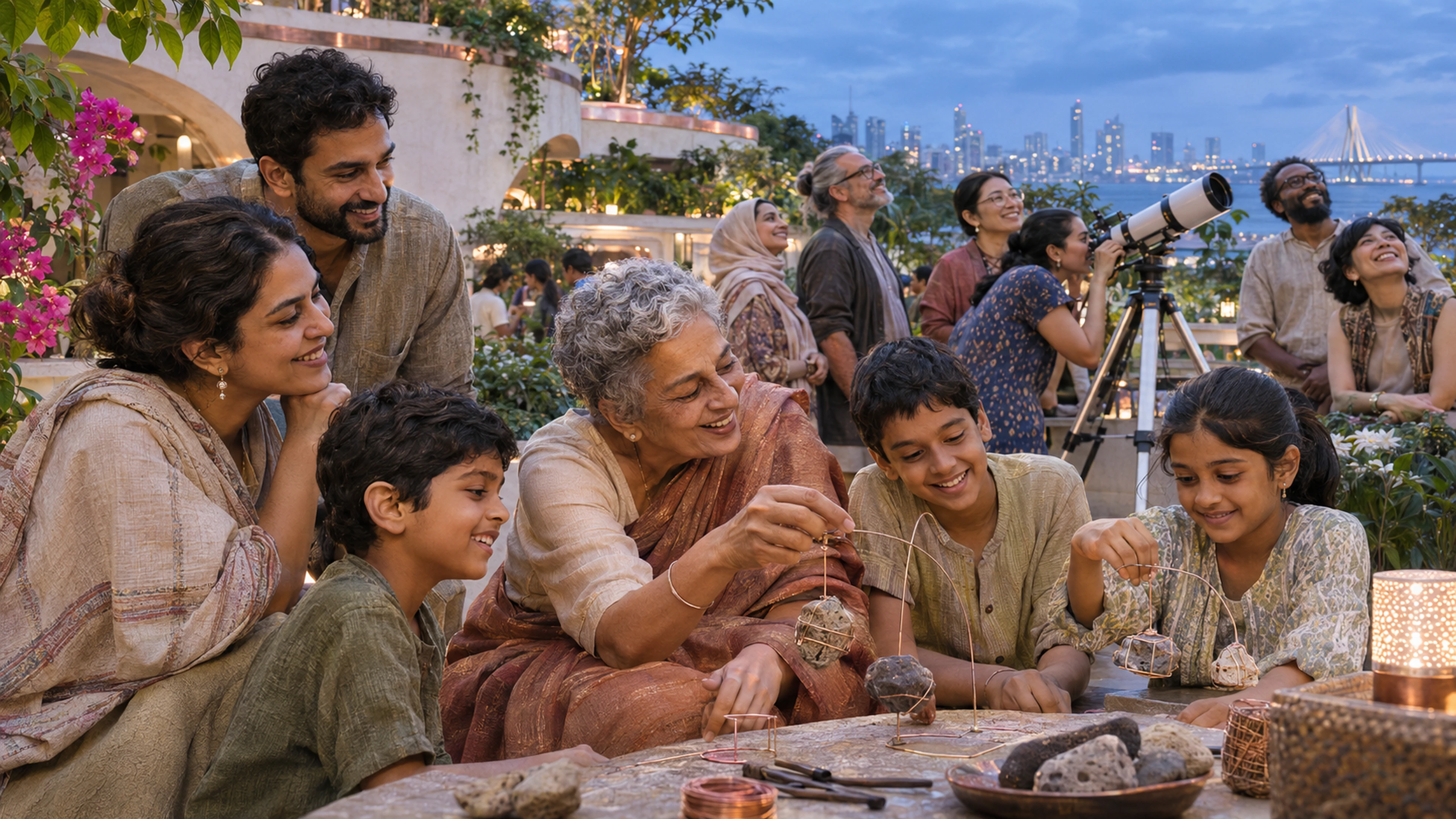 FULL VIEW ↗
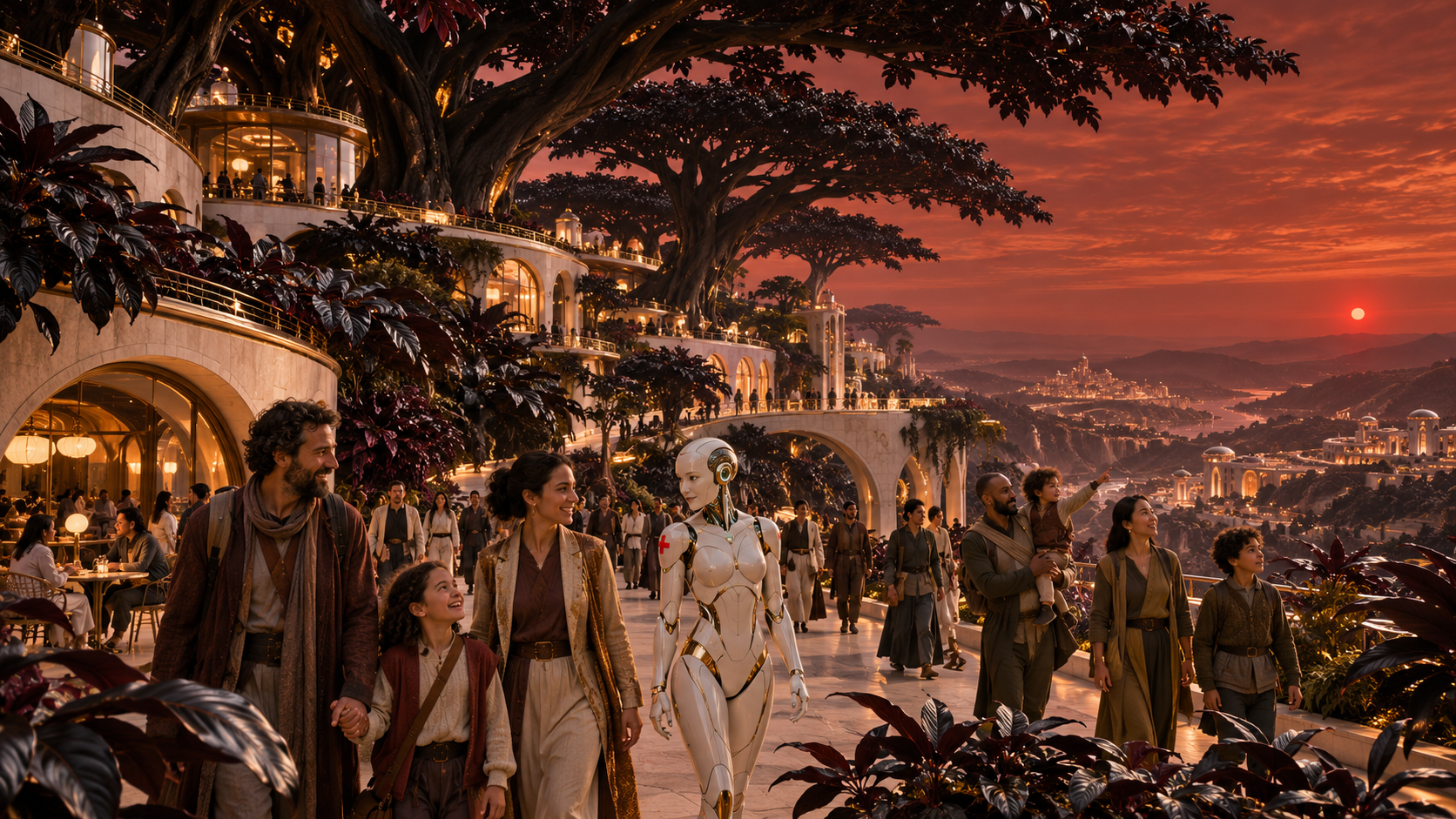
Cast-world study inspired by trailer v6 S22. Unnamed fictional family, not Pihu or Nani.
Delivery 3840 × 2160; source-native 1672x941. ImageMagick Lanczos to 3840x2160 with minimal center trim and restrained unsharp mask (0x0.55+0.35+0.015); not native 4K
continuity reference; awaiting owner review
Owning studio ↗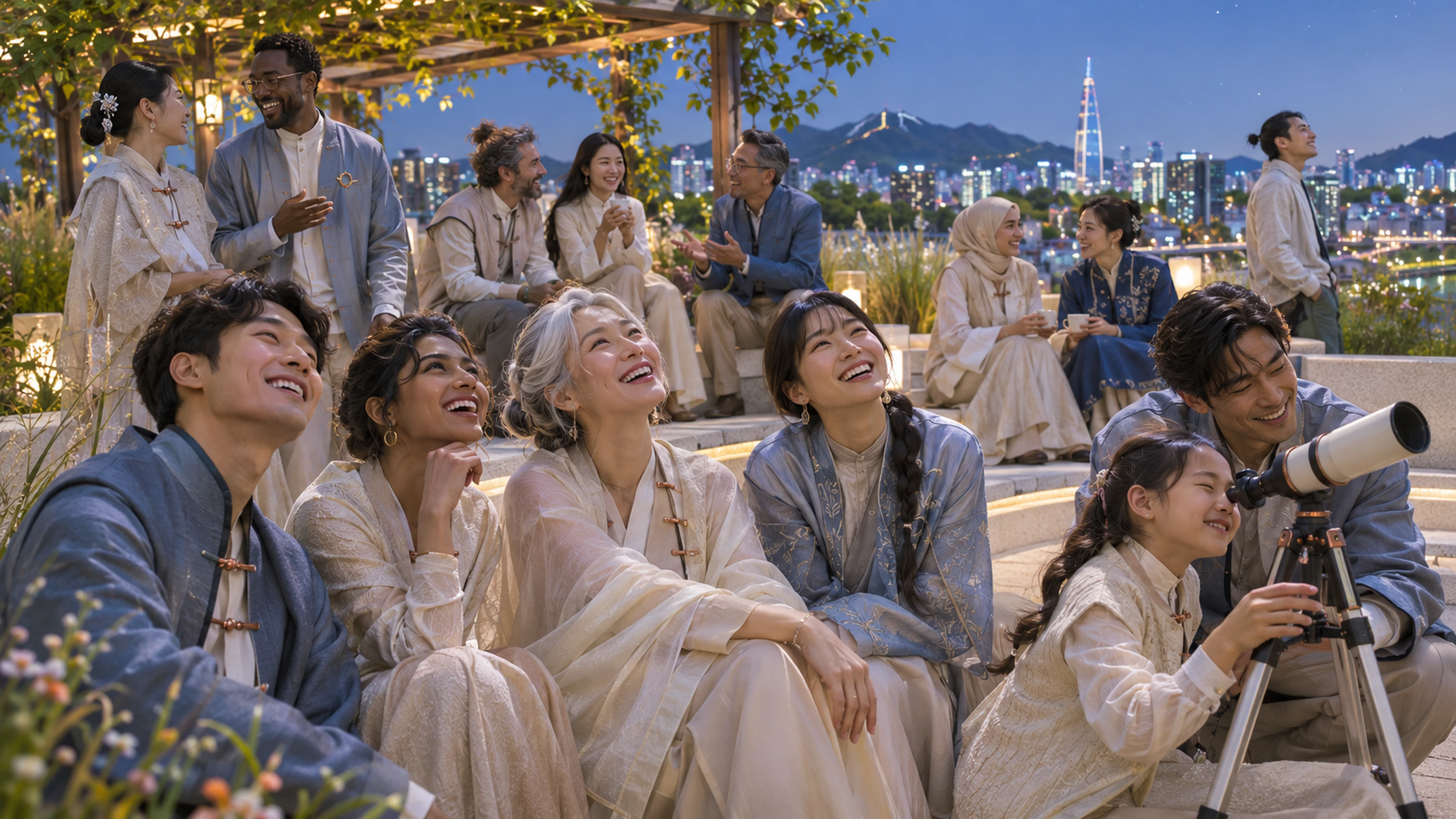 FULL VIEW ↗
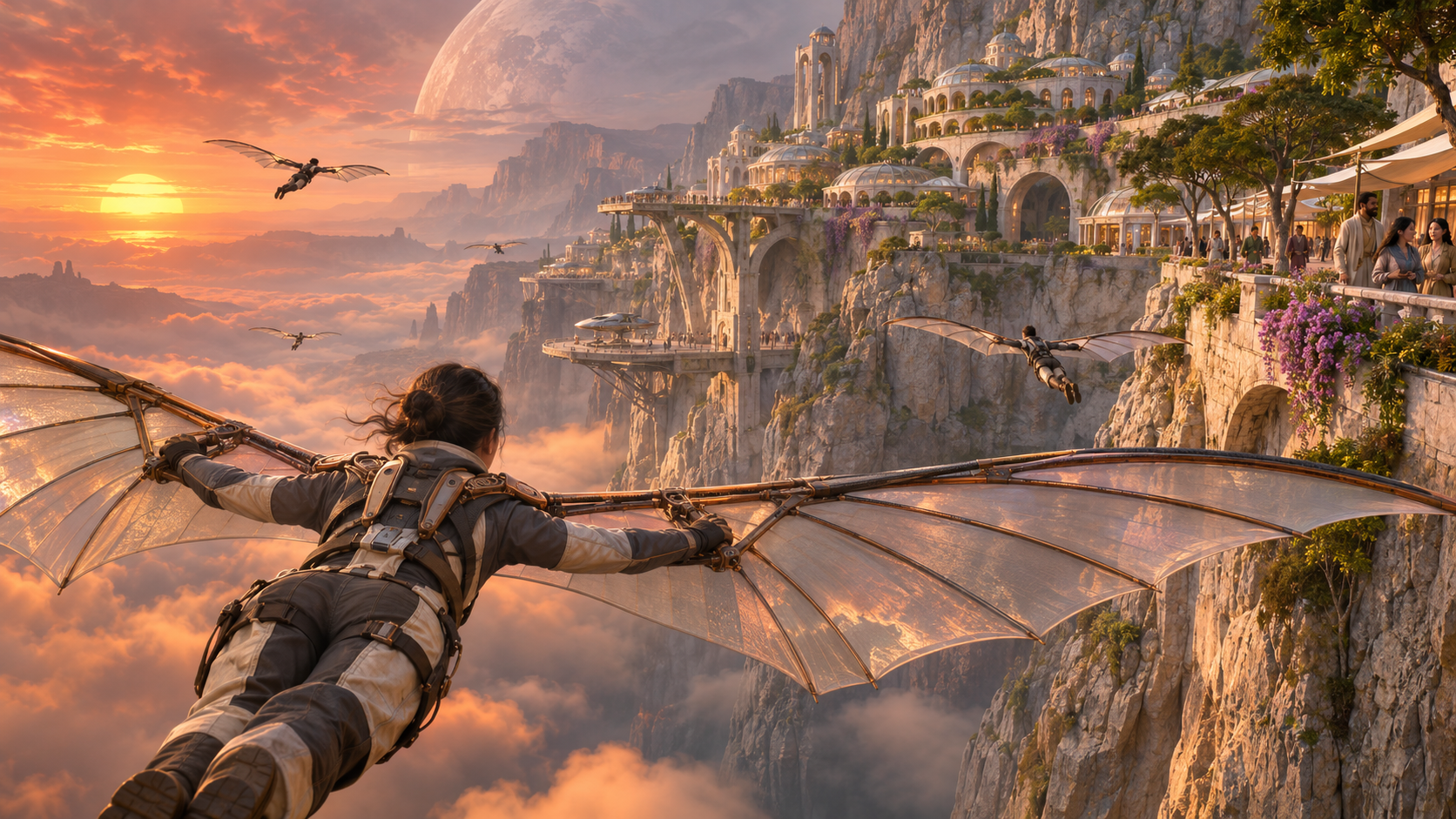
Cast-world study inspired by trailer v6 S22, before the alarm. Unnamed fictional participants, not approved main cast.
Delivery 3840 × 2160; source-native 1672x941. ImageMagick Lanczos to 3840x2160 with minimal center trim and restrained unsharp mask (0x0.55+0.35+0.015); not native 4K
continuity reference; awaiting owner review
Owning studio ↗No. The guide keeps them distinct and does not claim that a single contextual image is an approved depiction of all three.
No. The source names a group of proposed rooftop settings. It does not establish one finalized festival title, calendar or performance here.
No. The linked Worlds study is existing visual-development context, not filmed festival performances.
Their shared story purpose is everyday life, while their individual cultural and visual designs remain separate production work. Grouping does not certify those missing assets as complete.
Lagos, Seoul and Mumbai rooftops are named production proposals. No specific cultural ritual, finished performance, city layout or final festival footage is invented. The three places remain distinct within this collection guide.
Source: the reviewed The Human series story record, sections 3, 7, 20; Task/CG4008/TASK.md. Later owner decisions take precedence over older drafts. The five reading chapters are editorial interpretation of that record, not newly approved screenplay scenes.
These pages describe a fictional world. They do not announce a release date, a cast contract, real exoplanet settlements or completed production assets.
Read the story and media policy ↗Explore the places, shared roles and everyday systems that connect the larger movie universe.
Open Worldbuilding ↗